
February 5, 2026
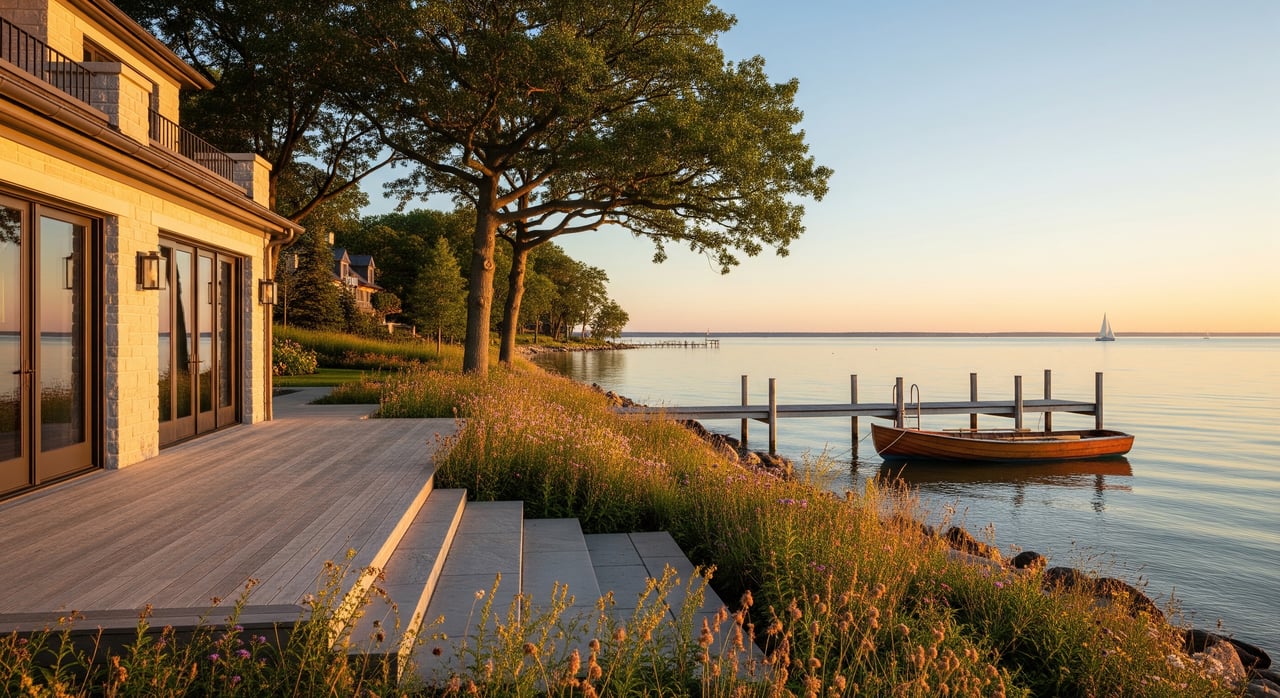
Ever wondered what it feels like to wake up to wide-open water and a pink sunrise, with the sound of waves as your morning soundtrack? If you are picturing that moment, you are not alone. Lakefront living in Lake Forest blends beauty, privacy, and year-round outdoor access with a few practical trade-offs you should understand. In this guide, you will learn what “lakefront” really means here, how access and maintenance work, and what to check before you buy. Let’s dive in.
Lake Forest sits along the western shore of Lake Michigan, about 25 to 35 miles north of downtown Chicago. The setting feels park-like, with mature trees, winding ravines, and neighborhoods that open toward the water. You can expect an ever-changing sensory experience: broad east-facing views, cool summer breezes, the rumble of waves after a storm, and crisp, quiet winter scenes.
Topography shapes daily life. Some stretches offer low, gently sloping beaches. Others sit on higher bluffs with ravines that lead down to the shoreline. Many homes rest above the waterline, with stairs or sloping paths to reach the sand.
These are single-family homes with direct frontage on Lake Michigan. They often include private stairs or a sloped path to the water and open, panoramic views. Privacy, lot size, and quality of shoreline access vary widely by property.
These homes sit back from the bluff or across a right-of-way but still offer quick walking access to beaches and parks. You may enjoy partial views, shorter walks to public amenities, and lower maintenance than direct waterfront.
These homes face wooded ravines or creek corridors that flow to the lake. Expect secluded, sheltered microclimates and winding trails through trees. You trade sandy beach frontage for privacy, birding, and four-season ravine scenery.
Near-lake cottages, cottages converted for year-round use, and compact condos or rowhomes cluster close to town and beach access. These options often appeal if you want lower maintenance and a simple lock-and-leave lifestyle.
Traditional or contemporary 3 to 5 bedroom homes on moderate lots are common near the lake. Many offer partial views or easy beach paths, making them a strong fit if you want indoor space balanced with outdoor access.
Large homes on generous frontage or acreage deliver privacy, gardens, terraces, and direct beach access. Expect high-end finishes, multiple garages, and landscaped outdoor areas that focus on the view.
These larger lots emphasize wooded privacy and dramatic ravine outlooks. Some include trails, and not all have sandy beach access. The experience feels quiet and nature-forward.
Pricing is highly dependent on frontage, lot size, home condition, privacy, and access type. In general, smaller lake-adjacent options form the lower entry point, mid-size homes land in the middle, and estate-scale lakefront commands the top tier. Always review current data before you decide, since values change with market conditions.
Some homes hold direct, private access in fee simple or by easement. It can be a single-lot staircase or a stretch shared by just a few owners. Costs and maintenance responsibilities vary by property.
Certain neighborhoods or associations maintain a shared beach and facilities for members, often funded by annual dues. Rules and amenities differ, so review the bylaws early.
City or county parks provide public access to the lake in defined areas. Amenities like parking, restrooms, or seasonal lifeguards depend on the site and time of year.
Green corridors that feed to the lake create walking paths and wildlife viewing. If you prefer a wooded feel to sandy shoreline, ravine access can be a standout feature.
The views are the headline. East-facing lots deliver sunrise panoramas and a unique sense of openness. At the same time, open views can mean higher visibility from the water, from nearby homes, or from public beaches. Landscape design and thoughtful setbacks can help you manage sightlines and privacy.
Lakefront homes experience higher wind loads, moisture, and storm exposure. Roofing, windows, siding, and exterior finishes may need more frequent care than inland properties. After major weather events, you may see debris on the beach or stairs that need attention.
Shoreline management is part of the equation. Erosion control, bluff stabilization, and revetments or native plantings can be costly and typically require permits. In winter, ice can build up along shorelines and steep paths can be challenging to clear.
Most significant shoreline work requires approvals. Depending on scope and location, you may interact with municipal and county departments, and in some cases state or federal agencies. Projects like seawalls, stairs, patios near the bluff, or major grading can trigger reviews. If a home sits in a historic district or under design guidelines, you may also face local review for alterations.
Title matters too. Confirm whether beach access is deeded, association-based, or adjacent to public lands, and whether any easements or covenants affect how you can use or improve the property.
Parts of the shoreline are mapped by FEMA for flood risk. Your lender may require flood insurance if any part of the lot falls within a regulated zone, and coverage can still be smart even when not mandated. Some insurers price lakefront exposure differently due to wind and wave risk, so policy terms and deductibles are worth close study.
Property taxes reflect market value, which can be high near the lake. Factor in ongoing shoreline maintenance, association dues if applicable, and specialized repairs when you estimate annual costs.
High-level takeaway: Lake Forest offers a balance of estate-scale living, preserved green space, and a park-like feel, compared with denser lakefront towns. Decide whether you value larger lots and privacy or closer public amenities and higher-density transit hubs.
You deserve a clear picture of both the beauty and the practicalities before you decide. Our team pairs local stewardship with architecture-informed advice and data-driven pricing to help you weigh frontage, access, condition, and long-term costs with confidence. If you are exploring lakefront or ravine living in Lake Forest, let’s walk the terrain, review the rules, and plan your next steps.
Ready to see how the lakefront fits your life? Connect with LFC Partners for a private consultation. Request a Complimentary Home Valuation & Private Consultation.
More on real estate insights.
October 22, 2026
October 15, 2026
October 8, 2026
October 1, 2026
September 24, 2026
September 17, 2026
September 10, 2026
September 3, 2026
August 27, 2026
At LFC Partners, real estate is more than a transaction—it’s a collaboration rooted in expertise and trust. With decades of combined experience in architecture, finance, and strategic negotiation, Ann, Jeff, and Kim bring a refined, data-driven approach to every client relationship. Whether you’re buying, selling, or investing along the North Shore, you can count on their deep market knowledge, analytical precision, and unwavering commitment to results.
LFC Partners Real Estate
(847) 828-9991
[email protected]
Ann Lyon
(847) 828-9991
[email protected]
Jeff Folker
(847) 504-6182
[email protected]
Kim Campbell
(312) 434-9372
[email protected]
600 N Western Ave Lake Forest IL 60045