
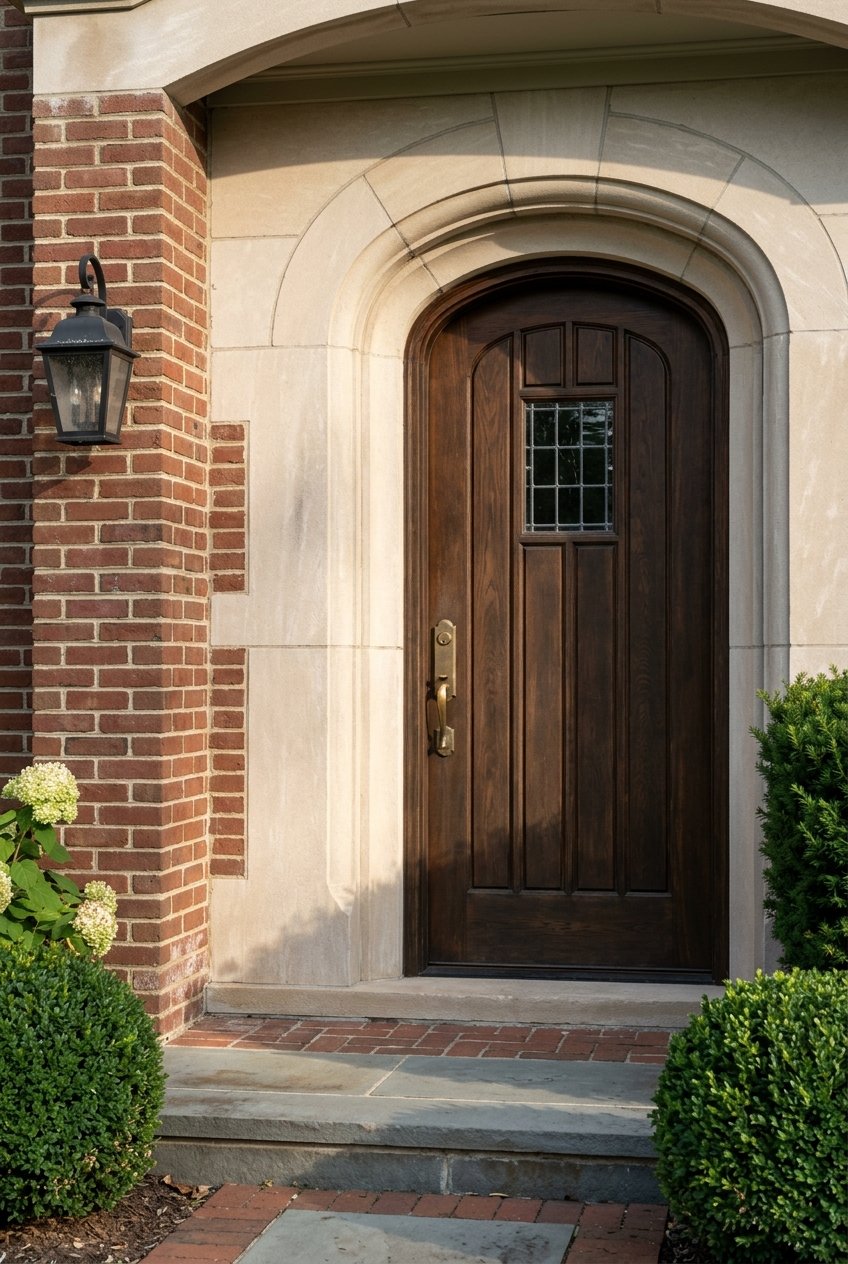
April 16, 2026
If you own a historic home in Lake Forest, selling it is rarely just about square footage or finishes. You are also selling architectural character, documented provenance, and a property that may be shaped by local preservation rules. With the right preparation, you can protect that legacy, avoid missteps before listing, and position your home clearly for serious buyers. Let’s dive in.
In Lake Forest, historic preservation is built into the city’s identity. The city code states that preservation is intended to protect architecturally significant homes and estate properties that are rare in Illinois and the Midwest, while maintaining the city’s distinct ambiance. That means your home may be viewed not only as a private residence, but also as part of a broader streetscape and landscape context under the city’s preservation framework.
For sellers, that context matters. It can influence what changes are reviewed, how buyers evaluate future plans, and how your home should be marketed. It also means preservation-minded selling is often about presenting both the house itself and its setting with care.
Before you plan repairs, updates, or marketing, confirm how your property is classified. Lake Forest’s current Historic Preservation Commission materials identify local historic districts that include East Lake Forest, Green Bay Road, and Vine/Oakwood/Green Bay Road, along with local landmark properties. The National Park Service also lists the Lake Forest Historic District, Green Bay Road Historic District, and West Park Neighborhood Historic District within the city.
A home can be in a local district, a National Register district, or both. That distinction is important because the rules are not the same.
National Register listing is recognition, but it does not by itself place federal restrictions or requirements on a private owner, according to the National Park Service FAQs. In contrast, Lake Forest’s local ordinance is what governs many exterior changes and related review requirements.
In practical terms, local status is usually what sellers need to focus on most before listing. If a buyer is considering changes after closing, local review may affect their timeline and options.
Lake Forest notes that local landmark designation can be based on architectural quality, a significant architect or builder, distinctive physical appearance, neighborhood development pattern, association with a person or event, or archaeological or natural significance. For architect-designed estates and distinctive period homes, those factors can become part of both pricing and marketing.
This is one reason a historic home should be positioned differently from a standard listing. Its value may be tied to more than age or size alone.
One of the biggest mistakes sellers make is starting visible exterior work without confirming whether approval is required. In Lake Forest, Chapter 155 requires a Certificate of Appropriateness before new construction on a vacant lot, demolition, a replacement structure, any visible addition, any exterior alteration, interior landmark work, or a building-scale variance. The city also states that the related permit cannot move forward until the Historic Preservation Commission has reviewed the work and issued the certificate.
If you are planning pre-listing improvements, that timeline matters. A rushed repair or redesign can delay listing plans if it requires review.
According to the city code, a complete application may require plans, drawings, elevations, specifications, surveys, photos, and other supporting documentation. Once a complete application is received, the Commission holds a public hearing. If approved, the certificate is valid for one year.
Lake Forest also states that a Certificate of Appropriateness is not transferable to a subsequent owner without Commission consent. That is especially important during a sale. If you have an approval in hand, do not assume it automatically carries over to the buyer.
The city’s current Historic Preservation Commission checklist says pre-application meetings are strongly encouraged. The same checklist also notes that natural materials are strongly encouraged and that demolition-related requests should include a structural evaluation and historic assessment.
For sellers, this suggests a simple takeaway: if work is visible and substantial, get clarity early. It is often easier to shape a smart listing plan when you know what the city may require.
A preservation-aware pre-listing strategy starts with understanding what gives your home its historic character. Lake Forest’s guidance describes preservation as retaining distinctive materials and features such as stone, brick, wood, porches, decorative brackets, windows, and site-related elements like walls and garden features.
That means pre-sale preparation should begin with observation, not assumptions. Before replacing older elements, identify what is original, what is repairable, and what contributes to the home’s architectural story.
A useful first step is a room-by-room and site-wide review of character-defining features. On the exterior, that may include masonry, trim, roofing, gutters, porches, windows, fences, gates, and hardscape. It may also include mature trees, garden walls, and the broader landscape setting if those features support the property’s historic context.
This kind of audit helps you decide what to repair, what to leave alone, and what may require additional review. It also gives you a stronger factual foundation for future marketing.
Lake Forest’s standards favor repairing deteriorated historic features, using the gentlest possible cleaning methods, and making additions or alterations reversible where possible. For many sellers, that means preserving original materials can be the wiser path, both architecturally and strategically.
For example, original wood windows, masonry detailing, or porch elements may carry more value than quick replacements that alter the home’s appearance. Preservation-minded buyers often notice the difference, and local review standards may as well.
It is also smart to assemble your records early. Based on the city’s documentation requirements for review, sellers can benefit from collecting:
A well-organized file can reduce uncertainty for buyers and support a more accurate marketing story.
Some Lake Forest properties may also fall within the city’s Historic Residential and Open Space Preservation District. According to the city code, this is a secondary zoning district intended to protect architecturally significant homes, estate properties, and landscape resources such as wetlands, woodlands, meadows, and other sensitive open space.
That broader framework matters because certain subdivisions and special uses in that district require City Council approval after review. If your property includes substantial land, open space features, or estate-scale improvements, that context may shape buyer expectations and due diligence.
Lake Forest remains an active high-end market. Realtor.com reported that Lake Forest was a seller’s market in January 2026, with homes selling for an average of 1.52% below asking and a median of 90 days on market.
For a historic home, though, pricing should go beyond basic comparisons. Architectural pedigree, restoration quality, district or landmark status, lot integrity, and any approval-related constraints can all influence how buyers perceive value.
Historic-home buyers often look at more than finished space. They may compare:
A home with strong documentation and thoughtful stewardship may justify a different pricing conversation than a similar-sized home without those attributes.
Historic homes perform best when the marketing is both elegant and precise. In Lake Forest, that means highlighting verified facts and being transparent about preservation-related context.
The city’s designation criteria and review framework support a marketing approach that emphasizes what is documented, distinctive, and durable.
Your marketing can focus on details such as:
This approach helps buyers understand why the home is significant without overstating what historic status means.
Buyers should understand the difference between recognition and regulation. National Register listing alone does not create federal restrictions for a private owner, but local Lake Forest ordinances may still govern visible exterior work. Clear communication about that distinction can build trust and reduce confusion later in the transaction.
It is also wise to be upfront about any pending approvals, prior Commission review, or work that may still require consent. Transparency protects both the seller and the buyer.
When you sell a historic Lake Forest home, you are balancing two goals at once. You want to maximize value, and you also want to present the property in a way that respects its architectural and civic importance.
That balance usually starts well before the home goes live. With the right preservation-aware preparation, accurate pricing, and clear marketing, you can move to market with more confidence and give buyers a fuller picture of what makes the home special. If you are preparing to sell and want guidance tailored to your property, LFC Partners offers architecture-informed positioning, data-driven pricing, and private consultation for historic and high-value homes in Lake Forest.
More on real estate insights.
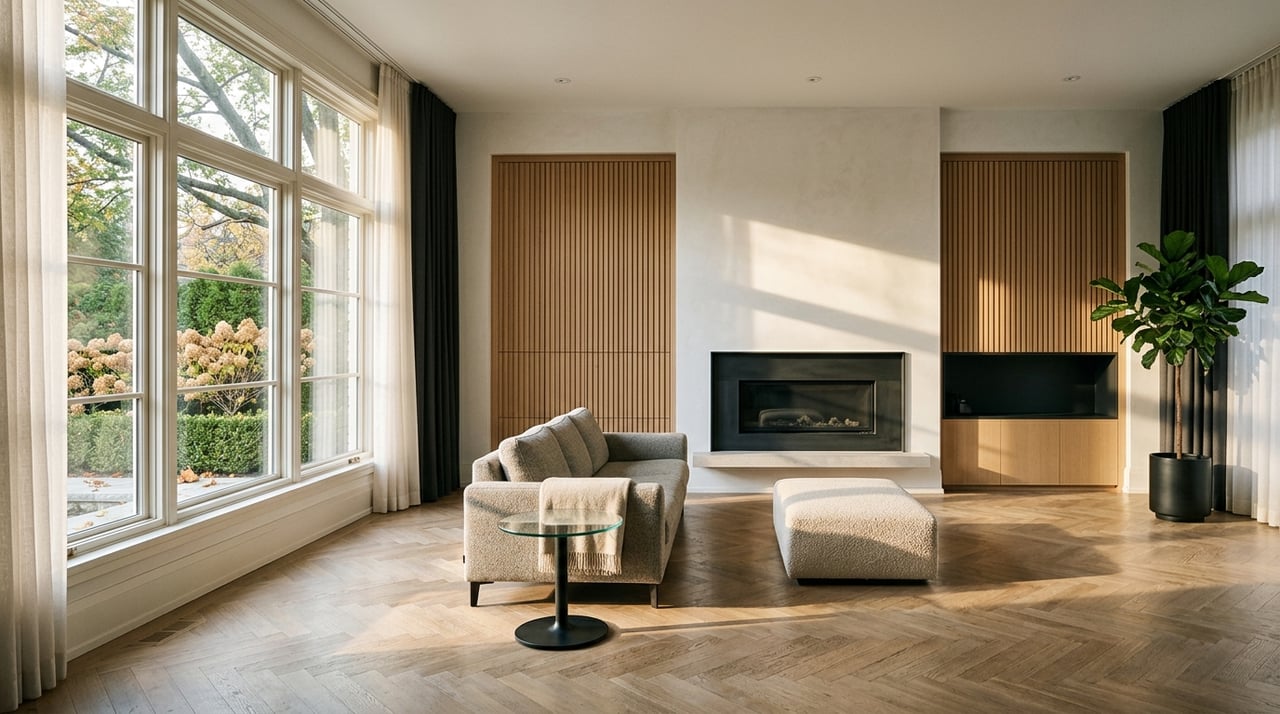
June 25, 2026
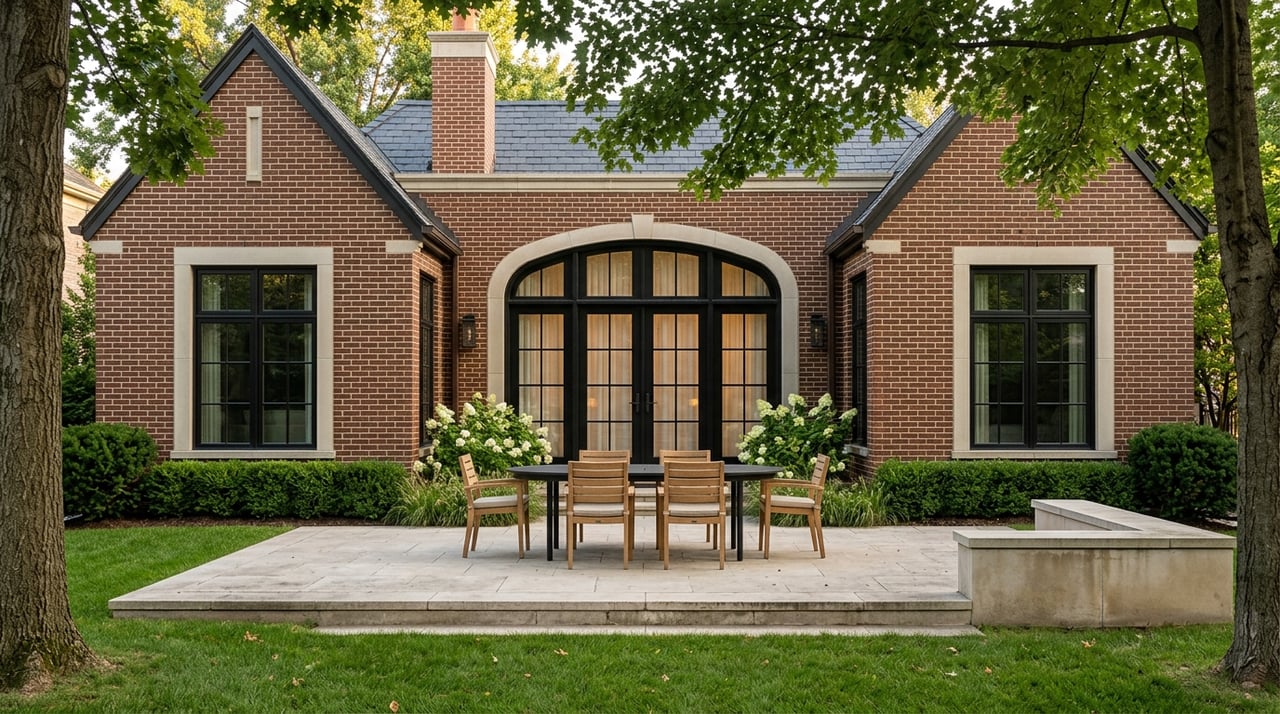
June 18, 2026
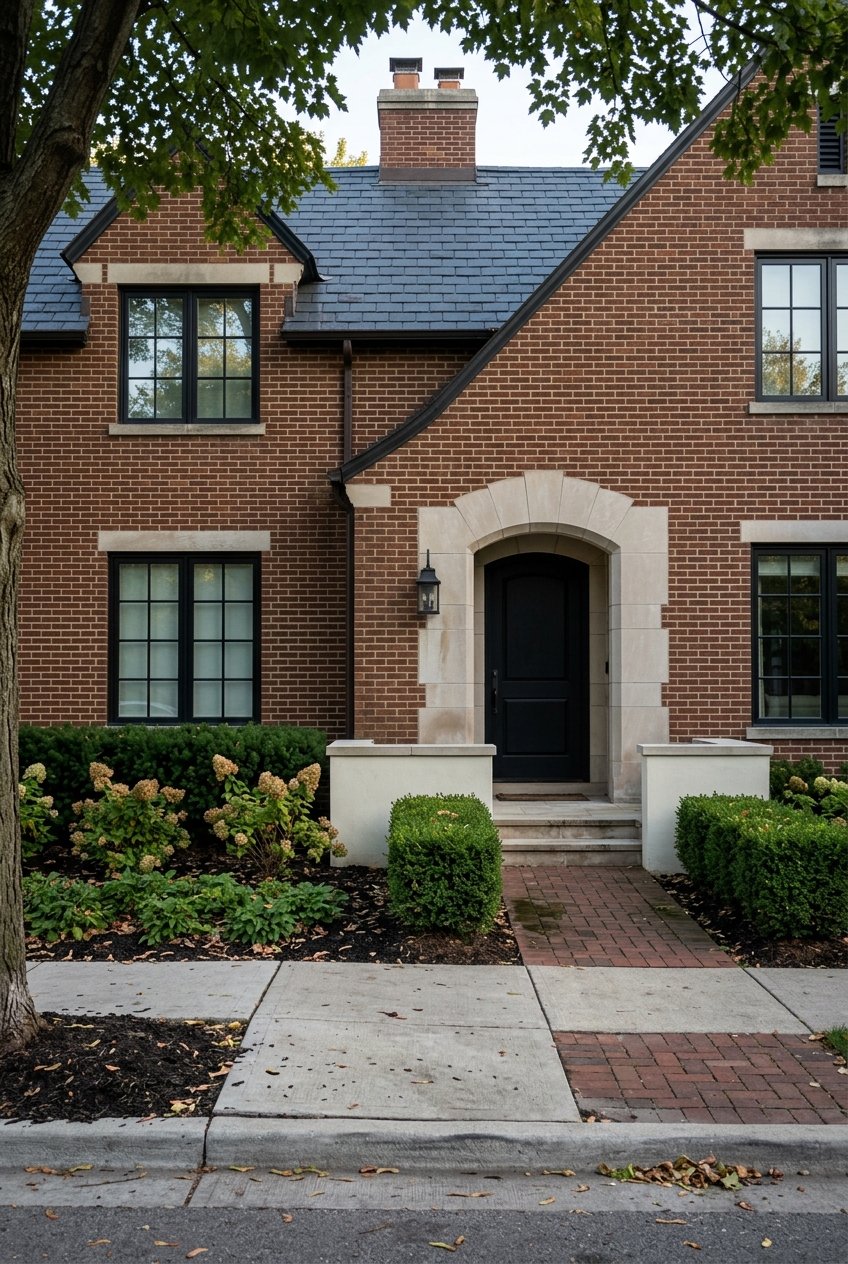
June 11, 2026
June 4, 2026
May 28, 2026
May 21, 2026
May 14, 2026
May 7, 2026
April 23, 2026
At LFC Partners, real estate is more than a transaction—it’s a collaboration rooted in expertise and trust. With decades of combined experience in architecture, finance, and strategic negotiation, Ann, Jeff, and Kim bring a refined, data-driven approach to every client relationship. Whether you’re buying, selling, or investing along the North Shore, you can count on their deep market knowledge, analytical precision, and unwavering commitment to results.
LFC Partners Real Estate
(847) 828-9991
[email protected]
Ann Lyon
(847) 828-9991
[email protected]
Jeff Folker
(847) 504-6182
[email protected]
Kim Campbell
(312) 434-9372
[email protected]
600 N Western Ave Lake Forest IL 60045