March 5, 2026
Trying to choose between Lake Forest and Lake Bluff? You’re not alone. Both offer lakefront charm, strong schools, and Metra access to Chicago, but the day-to-day feel and housing options differ in meaningful ways. In this guide, you’ll get a clear, dated look at prices, lots, schools, taxes, commute times, and lifestyle so you can decide which community fits you best. Let’s dive in.
Lake Forest is larger by area and population, with a broader mix of neighborhoods and more estate-scale properties. Lake Bluff is a smaller village with a compact, walkable center and a tight-knit feel.
Population and scale
Pricing snapshot, Jan 2026
Market pace example, Jan 2026
Both communities feed into Lake Forest Community High School (District 115). Lake Forest’s K–8 schools are District 67; Lake Bluff’s K–8 schools are District 65. Recent report-card cycles show strong performance, including “Exemplary” designations for local districts and recognitions such as AP Honor Roll Gold at the high school; see the district’s summary of Illinois Report Card results (2022–2023). Program offerings and commute logistics often matter more than rank for families choosing between these two towns. You can also explore Lake Bluff’s district communications for a feel of K–8 programming and community engagement on the District 65 live feed.
Private options include Lake Forest Academy, and Lake Forest College adds cultural programming and campus energy that shape local life.
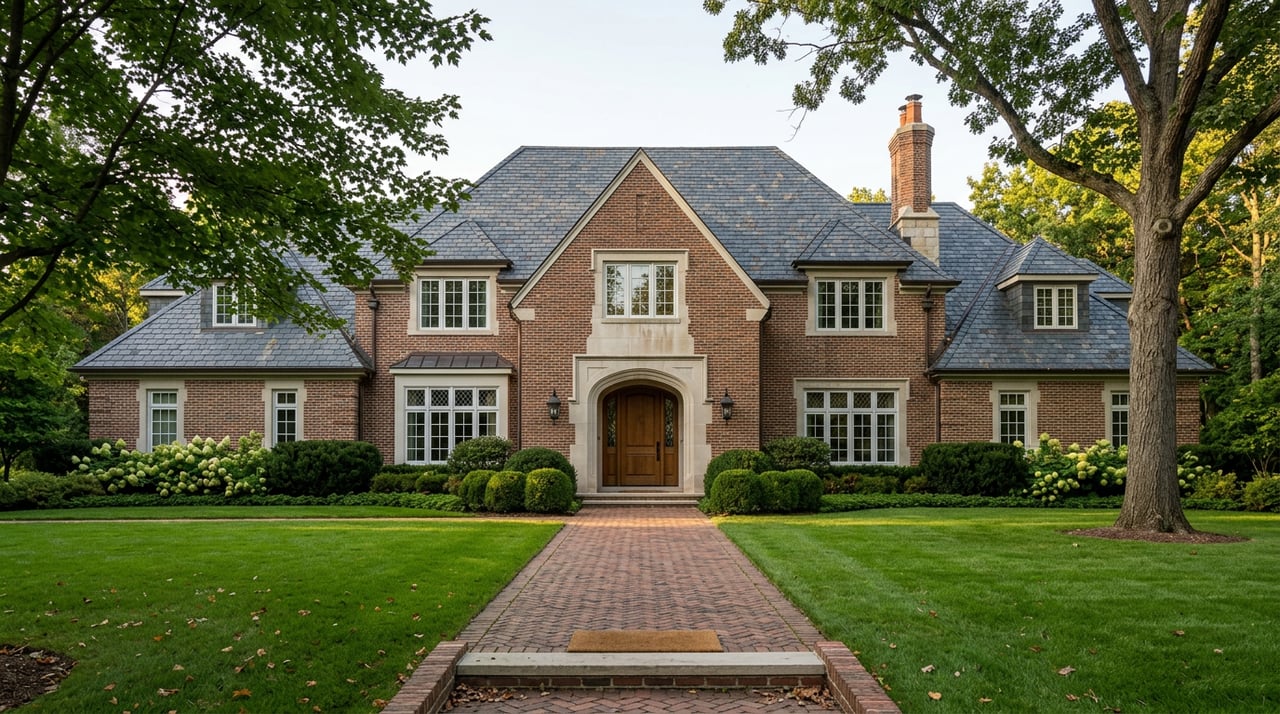
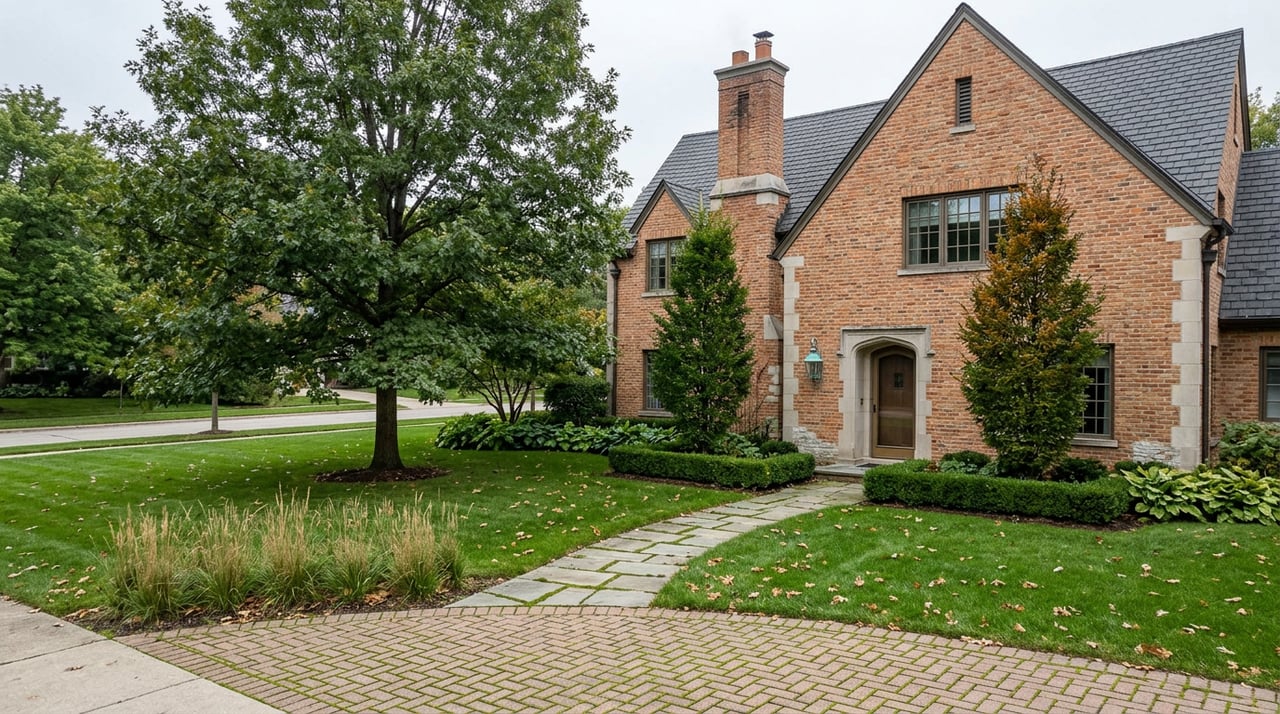
Lake Forest’s built environment reflects its estate history, with Market Square as a landmark commercial core and a wide range of neighborhoods from in-town streets to multi-acre estates. Many areas were shaped by early North Shore architects, and the city preserves substantial estate districts and larger lots. Learn more about Market Square’s planning legacy in the Encyclopedia of Chicago.
Lake Bluff has a more compact, walkable village center and a smaller footprint. You’ll find many modest in-town parcels and bungalows alongside a handful of historic estate areas, especially along Green Bay Road. The village’s own historic-resource work catalogs these large-lot pockets; a helpful overview is the Estate Areas of Lake Bluff survey.
Property taxes are a meaningful part of the North Shore budget. Aggregated estimates suggest effective property tax rates in Lake Forest in the roughly 1.8–2.0% range of market value, depending on methodology and parcel specifics; see a recent estimate on Ownwell’s Lake Forest page. Bills vary widely with assessed value and special districts. For parcel-specific numbers and recent tax history, use the Lake County property‑tax viewer.
Practical tip: when you budget, translate your target purchase price to an estimated annual tax using an effective rate range, then validate with the parcel viewer once you identify homes.
Both Lake Forest and Lake Bluff are on Metra’s Union Pacific North line, which runs to downtown Chicago. Typical rides are around 50–65 minutes depending on express vs. local patterns and time of day. For the most accurate timing, check the current timetable on the Metra Lake Bluff station page and test your preferred train.
Both towns have direct access to U.S. 41/Skokie Highway and I‑94. Peak-hour drive times to downtown Chicago can stretch, while off-peak runs are far shorter. If you plan to drive, test your route during the actual commute window you expect to use.
Lake Bluff’s downtown is smaller and very walkable, which makes errands, coffee runs, and school drop-offs feel close and easy. Lake Forest’s Market Square district is walkable, but the city’s larger geography means more neighborhoods are car-dependent for daily errands. Many residents in both towns use the Green Bay Trail for biking and jogging.
Choose Lake Forest if you want:
Choose Lake Bluff if you want:
If you want a clear, data-driven path to the right home, work with a team that pairs local stewardship with disciplined pricing and architecture-informed valuation. For a private, no-pressure consult, connect with LFC Partners.
More on real estate insights.
September 17, 2026
September 10, 2026
September 3, 2026
August 27, 2026
August 20, 2026
August 13, 2026
August 13, 2026
August 6, 2026
July 23, 2026
At LFC Partners, real estate is more than a transaction—it’s a collaboration rooted in expertise and trust. With decades of combined experience in architecture, finance, and strategic negotiation, Ann, Jeff, and Kim bring a refined, data-driven approach to every client relationship. Whether you’re buying, selling, or investing along the North Shore, you can count on their deep market knowledge, analytical precision, and unwavering commitment to results.
LFC Partners Real Estate
(847) 828-9991
[email protected]
Ann Lyon
(847) 828-9991
[email protected]
Jeff Folker
(847) 504-6182
[email protected]
Kim Campbell
(312) 434-9372
[email protected]
600 N Western Ave Lake Forest IL 60045