
January 15, 2026
Trying to picture your days in Lake Bluff? You might be weighing a short stroll to the beach against a quick walk to the Metra station, while also wanting great parks and easy routines. That choice can feel complex when you are new to the area. In this guide, you will see how lake access works, what park amenities to expect, how the Metra commute fits into daily life, and what trade-offs to consider in your home search. Let’s dive in.
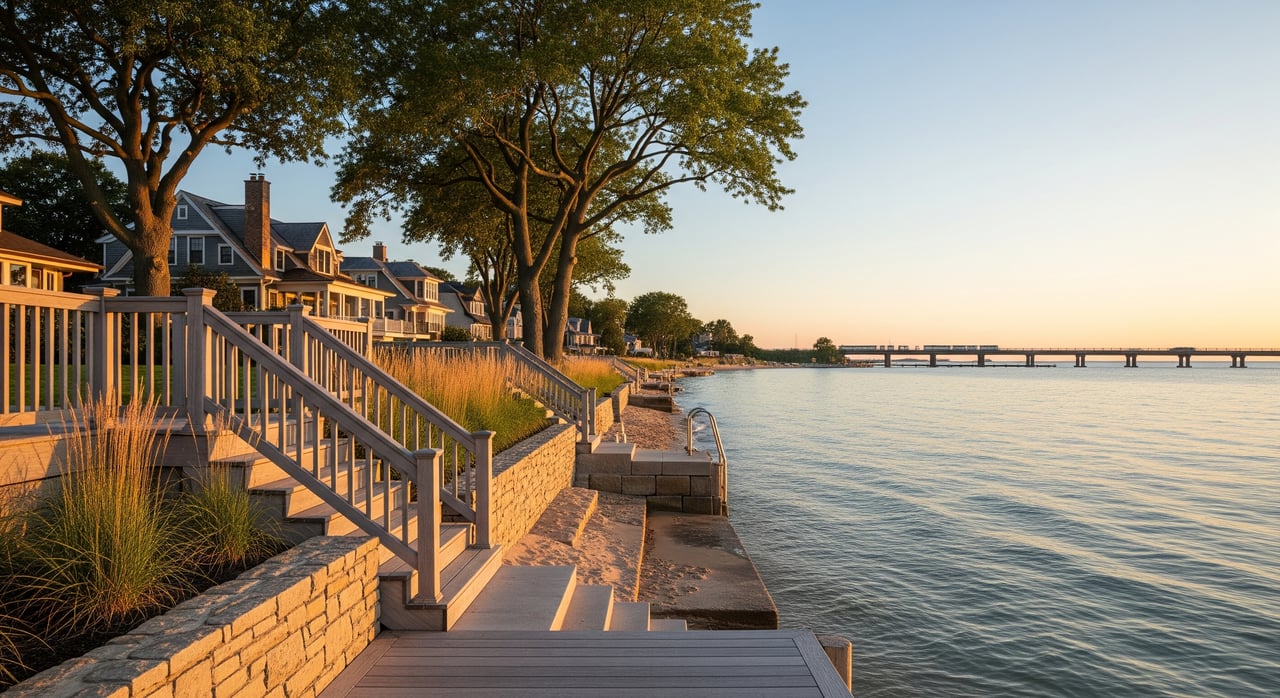
Lake Bluff sits on the shore of Lake Michigan in northeastern Illinois, roughly 35 to 40 miles north of downtown Chicago. Public access to the lakefront is provided by the Village and the Lake Bluff Park District, typically through parks, stairways, and small beach areas. You will not find a large municipal marina here, but you will find scenic overlooks, bluff-top paths, and beach access that create a relaxed, outdoorsy rhythm. Always confirm current beach rules, open hours, and seasonal operations with the Village and Park District.
Lake Michigan water levels rise and fall over time, which can change beach width and bluff stability. Erosion risk varies by location and season. If you plan to buy near the lake, review FEMA flood maps, local setback standards, and recent shoreline reports. When conditions are active, public access may shift, and certain paths or stairways can close for safety or repairs.
Beyond the lakefront, Lake Bluff includes neighborhood parks, pocket parks, and greenways. You will find playgrounds, open fields, and short walking paths that are easy to work into daily routines. The Park District typically hosts youth programs, camps, and field or court rentals throughout the year.
Nearby county-managed preserves add larger natural areas for hiking and passive recreation. Many are within a short drive and offer a change of scenery when you want a longer trail.
Lake Bluff is served by Metra’s Union Pacific North Line, which runs between Kenosha and downtown Chicago at Ogilvie Transportation Center. Peak-hour trains are more frequent, and some runs make fewer stops. Off-peak and weekend service is less frequent, so check the current timetable before you plan.
Typical commute times to downtown Chicago are in the range of about 45 to 70 minutes depending on the train. Express options are often shorter within that range. Always verify exact trip times and any schedule changes for holidays or seasonally adjusted service.
Many suburban stations offer a mix of permit and daily parking. Availability and pricing vary by village, and some lots fill early during peak periods. Look for bike racks, drop-off zones, and possible local bus connections for last-mile flexibility.
Homes close to the rail corridor will experience train noise. If you are sensitive to it, visit the area during peak periods to see how it feels in real time. Also review pedestrian routes to the station and identify crossings controlled by gates or signals if walking or biking is part of your plan.
You leave home with a 7-minute walk to the station, grab a coffee near the platform, and take an express train to the city. After work, you return on an early evening run, pick up a quick dinner in the village center, and walk home. Your weekends still include lake time, but your Monday to Friday is shaped by train schedules and easy station access.
You live closer to the bluff and beach. After school, you walk the overlook trail and head down to the sand when conditions allow. Summer evenings mean swims, shoreline sunsets, and quick picnics. You drive or bike to the station when needed and plan your morning around a reliable train departure.
You choose a home that splits the distance between the beach and the station. Morning walks to the train take a bit longer, and evenings at the lake require a short drive or bike ride. You gain flexibility, and your home appeals to buyers who value both lifestyles when you eventually resell.
These offer immediate access to lake views and bluff-top paths. They can involve higher purchase prices, potential flood or erosion considerations, and added visitor activity near public access points. Review local regulations for shoreline work and confirm any insurance implications.
These prioritize commute convenience and can make daily schedules simpler. The closer you are to the corridor, the more you should evaluate train noise and crossing safety. Walkability to the village center can enhance everyday routines and future resale appeal.
Many families prioritize a short walk or quick drive to K–8 schools and easy access to the regional high school. Verify attendance boundaries and any tuition or transfer policies with the school districts, since alignments can change over time.
Walkability to parks, the beach, and the village center tends to draw interest from a wide set of buyers. Homes near both the lake and the station are uncommon and may command a premium. Clarify which daily priorities matter most to you, then focus your search radius to match them.
Lake Bluff offers a rare blend of lakefront access, neighborhood parks, and a direct rail line to Chicago. With a clear view of how beaches operate, how the commute fits, and how seasonal events shape daily life, you can narrow your search to the blocks that match your routine. If you want architecture-informed advice and a data-driven plan for buying or selling in Lake Bluff, connect with LFC Partners for a private consultation.
More on real estate insights.
June 25, 2026
June 18, 2026
June 11, 2026
June 4, 2026
May 28, 2026
May 21, 2026
May 14, 2026
May 7, 2026
April 23, 2026
At LFC Partners, real estate is more than a transaction—it’s a collaboration rooted in expertise and trust. With decades of combined experience in architecture, finance, and strategic negotiation, Ann, Jeff, and Kim bring a refined, data-driven approach to every client relationship. Whether you’re buying, selling, or investing along the North Shore, you can count on their deep market knowledge, analytical precision, and unwavering commitment to results.
LFC Partners Real Estate
(847) 828-9991
[email protected]
Ann Lyon
(847) 828-9991
[email protected]
Jeff Folker
(847) 504-6182
[email protected]
Kim Campbell
(312) 434-9372
[email protected]
600 N Western Ave Lake Forest IL 60045