
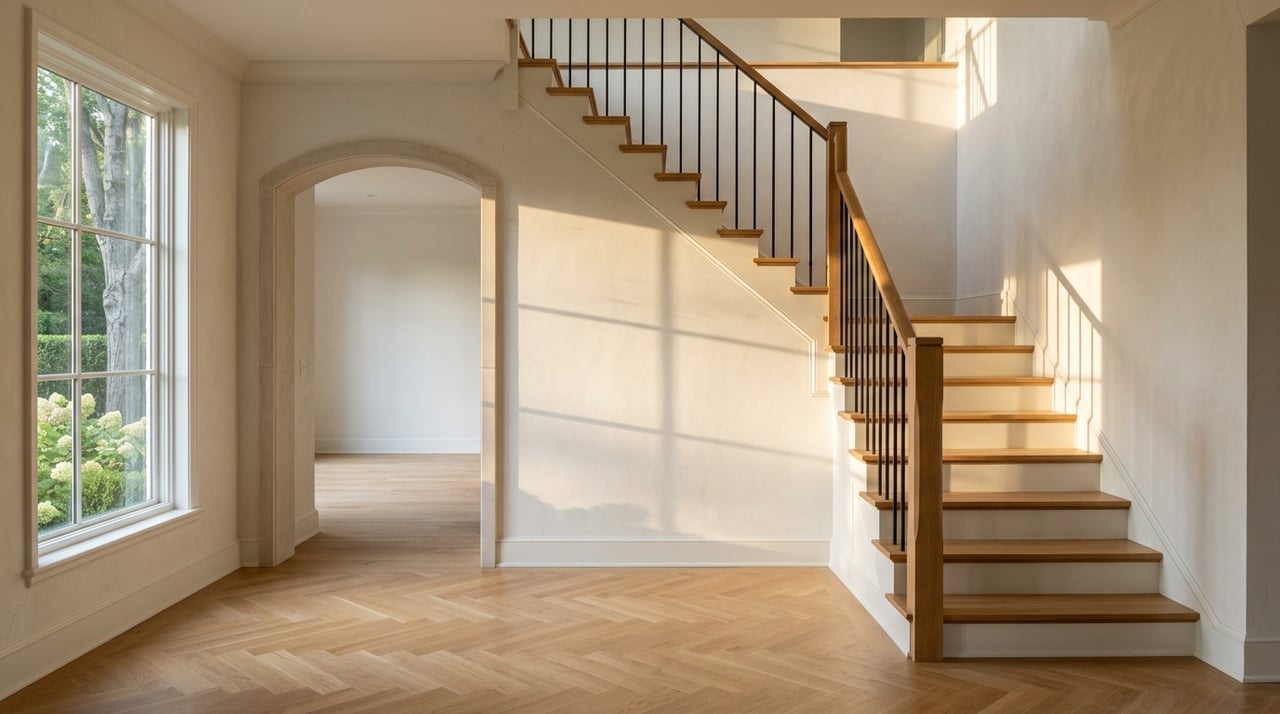
April 23, 2026
Choosing between a brand-new home and an older one with architectural character is rarely just about age. In Lake Bluff, that decision is even more nuanced because newer homes and vintage properties often sit side by side in an established village setting. If you are trying to figure out which option fits your lifestyle, budget, and long-term plans, this guide will help you compare the tradeoffs clearly. Let’s dive in.
Lake Bluff is not a market where new subdivisions have replaced older homes. According to the CMAP Community Data Snapshot, 92.9% of the housing stock is single-family detached, 91.5% is owner-occupied, and the median year built is 1977. That means most buyers are comparing detached homes in established settings, not sorting through a large mix of condos, townhomes, and new developments.
The village also has a distinctly layered architectural identity. The Lake Bluff History Museum’s architectural overview describes a mix of Cottage, Queen Anne, Victorian, Craftsman, Prairie, and Four Square homes along with estates and newer designs. In practical terms, Lake Bluff offers both newer construction and older homes with character, but the vintage housing stock remains central to the village’s appeal.
If you are waiting for endless options, Lake Bluff may feel competitive. Recent market snapshots suggest modest supply, though each source measures the market differently. Redfin’s Lake Bluff housing market page reported a March 2026 median sale price of $1.312 million, 147 days on market, and 14 closed sales, while Realtor.com’s local market page showed 39 homes for sale in February 2026, a median listing price of $699,000, 19 days on market, and a 100% sale-to-list ratio.
Those figures are not directly comparable, but they point in the same direction: inventory is limited, and buyers may need to act decisively when the right home appears. Realtor.com also shows listings spread across smaller subareas like Village of Lake Bluff, Tangley Oaks, Arden Shore Estates, The Terrace, Shore Acres Estates, and Fairlawn. That pattern reinforces the idea that Lake Bluff is made up of smaller pockets rather than one large, uniform housing tract.
New construction often wins buyers over with simplicity. A newer home can offer a more predictable ownership experience, with updated systems, modern layouts, and fewer immediate repair needs. For many buyers, that means less guesswork in the first few years of ownership.
Energy performance is another major advantage. The EPA notes that ENERGY STAR certified new homes are designed to exceed minimum energy-code requirements by at least 10%, while ENERGY STAR NextGen homes are intended to be about 20% more efficient than typical code-level construction. These homes are independently verified for insulation, windows, air sealing, and HVAC performance, which can support better comfort and more predictable utility costs.
If your priority is a turn-key home, newer construction may feel like the cleaner path. Open floor plans, newer materials, and current building practices can reduce the list of near-term projects. That can be especially appealing if you are relocating on a deadline or want a home that needs less immediate oversight.
In Lake Bluff, new construction is usually not a large-scale subdivision story. It is more often an infill, tear-down, or redevelopment opportunity woven into an existing neighborhood. That naturally limits supply.
The village’s 2025 Comprehensive Plan emphasizes maintaining Lake Bluff’s unique and natural character while developing key sites. The village’s Affordable Housing Plan also notes that Lake Bluff has minimal developable land remaining, and that new construction or adaptation of existing housing must fit established land-use patterns and infrastructure.
That matters because scarcity can influence both pricing and timing. If you want newer construction in Lake Bluff, you may need flexibility on location, lot size, or exact design preferences. You are often looking for a very specific opportunity rather than choosing from a broad pipeline of newly built homes.
Older homes are a major part of what gives Lake Bluff its identity. The village’s architectural fabric includes homes from many eras, and that variety often shows up in details you can feel right away, like original proportions, craftsmanship, lot patterns, and mature surroundings. For many buyers, that sense of place is hard to replicate in a newer build.
Lake Bluff’s preservation framework also reflects how much the community values its built history. The village’s historic preservation resources include an interactive historic map, multiple surveys, public review for demolition of buildings over 50 years old, and review of exterior changes to landmarks. For buyers who appreciate architectural authenticity, that structure can help preserve what makes a property and its surroundings distinctive.
There can also be practical upside. Comprehensive-plan materials note that some of the village’s smaller cottage homes remain more attainable than larger-lot alternatives, even if some sit on heritage lots that do not conform to modern zoning. If you want character and a more established setting, older housing can open doors that newer inventory may not.
Character is valuable, but so is clear-eyed due diligence. Older homes often come with more variation in insulation, windows, ventilation, and major systems. The U.S. Department of Energy notes that many older homes have less insulation than homes built today and recommends improvements such as air sealing, insulation, moisture control, and ventilation. DOE also says low-e storm windows may improve inefficient existing windows and can save 10% to 30% in heating and cooling costs.
Renovation risk is another important factor. The EPA warns that work on pre-1978 homes can disturb lead paint and create hazardous dust, so lead-safe renovation practices matter anytime you are planning repairs, remodeling, or repainting. In a village with a meaningful share of older housing, this is a practical issue to discuss before taking on updates.
You will also want to understand whether a home has any preservation status, whether exterior changes could be reviewed publicly, and whether the lot has any heritage-lot or zoning considerations. None of those points automatically mean “don’t buy.” They simply mean your timeline, budget, and improvement plans should match the property you choose.
In Lake Bluff, the real decision is often not “old versus new.” A more useful framework is turn-key performance versus character plus renovation budget. That shift makes it easier to evaluate homes based on how you want to live, not just the year on the tax record.
If you are leaning toward new construction, ask for:
If you are leaning toward a vintage or mid-century home, check:
A newer home may suit you best if you want a more predictable first few years, modern energy performance, and fewer immediate projects. It can also be a strong fit if you are moving on a tight timeline and want a home that feels more ready from day one.
A vintage home may be the better choice if you value architectural detail, established surroundings, and the experience of owning a property with history. If you are comfortable budgeting for improvements and taking a longer view, an older home can offer both personality and long-term satisfaction.
Because Lake Bluff is a small, mostly detached, owner-occupied market with limited supply, the right answer is often highly personal. The best choice usually comes down to whether you want immediate simplicity or the stewardship of a home with architectural depth.
If you are weighing both paths in Lake Bluff, working with a team that understands architecture, preservation context, and pricing discipline can make the decision much clearer. LFC Partners helps buyers evaluate homes with a detailed, practical lens so you can move forward with confidence.
More on real estate insights.
September 17, 2026
September 10, 2026
September 3, 2026
August 27, 2026
August 20, 2026
August 13, 2026
August 13, 2026
August 6, 2026
July 23, 2026
At LFC Partners, real estate is more than a transaction—it’s a collaboration rooted in expertise and trust. With decades of combined experience in architecture, finance, and strategic negotiation, Ann, Jeff, and Kim bring a refined, data-driven approach to every client relationship. Whether you’re buying, selling, or investing along the North Shore, you can count on their deep market knowledge, analytical precision, and unwavering commitment to results.
LFC Partners Real Estate
(847) 828-9991
[email protected]
Ann Lyon
(847) 828-9991
[email protected]
Jeff Folker
(847) 504-6182
[email protected]
Kim Campbell
(312) 434-9372
[email protected]
600 N Western Ave Lake Forest IL 60045