
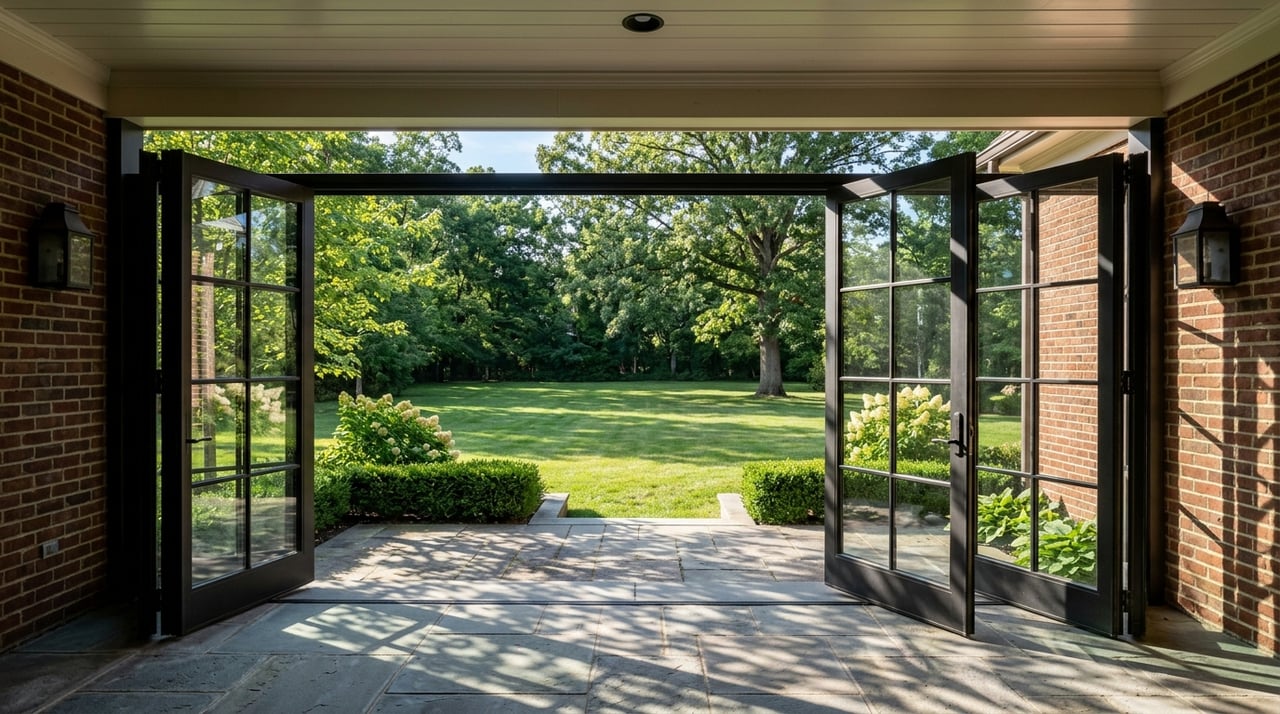
April 2, 2026
Looking for a second home near Chicago often means choosing between convenience and atmosphere. In Lake Bluff, you may not have to give up either. This North Shore village offers a rare mix of lakefront character, historic housing, commuter access, and year-round amenities that make it feel more like a retreat than a typical suburb. If you are weighing a personal-use getaway, a part-time residence, or a quieter alternative to a downtown pied-à-terre, Lake Bluff deserves a closer look. Let’s dive in.
Lake Bluff has the scale and setting that many second-home buyers want. The village reports about 5,834 residents across roughly 4 square miles, while Census estimates place the 2024 population at 5,600. That smaller footprint helps create a more intimate, village-like feel than you may find in larger suburban markets.
Its location also supports the retreat appeal. Lake Bluff sits about 35 miles north of downtown Chicago, with access to the Metra UP-N line, regional roads, O’Hare, and Waukegan Executive Airport. According to the Village of Lake Bluff transportation page, that combination makes it practical for both drive-to and rail-based travel.
There is also real history behind the atmosphere. The village notes that Lake Bluff began as a summer destination, where visitors came for the beach, ravines, and recreational activities. That resort-oriented origin still shapes how the community feels today, as outlined on the Village history page.
For many buyers, a second home works best when it feels distinct from everyday life. Lake Bluff offers that contrast through its historic identity, walkable village scale, and access to Lake Michigan. The village also highlights its architectural and historical character through a preservation program and a detailed historic preservation resource map.
That matters because buyers in this segment are often looking for more than square footage. You may be drawn to a home with a sense of place, a quieter street near the village core, or a property that reflects the area’s long-standing design traditions. In Lake Bluff, the built environment itself is part of the lifestyle.
If you are considering Lake Bluff as a second-home market, it helps to know what is actually available. The village’s 2025 Comprehensive Plan shows that 96% of housing is single-unit, with 92.3% detached homes and 3.8% attached homes. Multi-unit apartments and condominiums make up less than 4% of the housing stock, according to the adopted Comprehensive Plan.
In simple terms, this is primarily a detached-home market. You are far more likely to find single-family homes, including older cottages and historic houses, than a large inventory of condo-style second homes. For buyers who want privacy, architectural charm, and a more residential setting, that profile can be a major advantage.
The housing stock is also varied in age. The Comprehensive Plan says that 11% of homes predate 1939, 62% were built from 1960 to 1999, and 9% were built since 2000. The same plan notes that small cottage homes once defined the village and that many still remain on smaller heritage lots.
Lake Bluff stands out for its high level of owner occupancy. Census QuickFacts show an owner-occupied housing rate of 92.1% from 2020 to 2024, and the village plan lists a 2024 median home value of $764,500. Census QuickFacts place the median owner-occupied home value at $776,700, which supports the same general price positioning.
For second-home buyers, that kind of ownership profile often signals a more stable, residential environment. It suggests a market shaped largely by long-term ownership rather than constant turnover. If your goal is a personal retreat with lasting value and strong neighborhood continuity, Lake Bluff aligns well with that objective.
Some second-home destinations peak in summer and quiet down sharply after that. Lake Bluff offers a more balanced rhythm. The Lake Bluff Park District says it maintains ten parks and open-space areas, along with an outdoor aquatic facility, recreation building, golf course, fitness center, ice rink, paddle hut, playgrounds, and a Lake Michigan beach.
That mix supports more than warm-weather use. Sunrise Park & Beach anchors the lakefront experience during the season, while the fitness, recreation, and ice facilities add utility in cooler months. If you want a second home that still feels worthwhile in fall, winter, and spring, Lake Bluff offers more than a single-season draw.
The village also maintains a strong local calendar. Community events such as the summer Farmers Market and the long-running Fourth of July Parade help reinforce a seasonal rhythm without making the village feel purely tourism-driven. You get the atmosphere of a getaway with the function of a real community.
Lake Bluff occupies a specific niche in the market. Compared with a downtown Chicago pied-à-terre, it offers more space, a quieter setting, beach access, and a stronger sense of village identity, while still maintaining rail access to the city through the UP-N line.
Compared with a more tourism-oriented destination, Lake Bluff feels more residential and owner-focused. That distinction is important if you want a property for personal use rather than one centered on visitor traffic, hospitality infrastructure, or frequent short stays. Lake Bluff is better understood as a place to settle into, even part-time, than a place built around transient use.
If your second-home search includes rental income goals, Lake Bluff’s local rules are an important part of the picture. The village allows up to six residents to operate short-term rentals of under 30 days, requires participants to primarily live in Lake Bluff, charges a $250 annual registration fee, and states that there are currently no licensed short-term rentals, according to the short-term rental license registry page.
That means Lake Bluff is not an ideal fit for an investor-style short-term rental strategy. The market is much more oriented toward owner use than toward vacation-rental turnover. If you are looking for a North Shore second home to enjoy yourself, that may be a positive. If your top priority is nightly rental yield, it likely points you elsewhere.
Lake Bluff may be a strong match if you want a second home that feels personal, refined, and rooted in place. It offers a small-scale North Shore setting, a housing stock dominated by detached homes, meaningful lakefront and recreation amenities, and practical access to Chicago and regional airports. Just as important, it does not feel overbuilt for tourism.
You may find Lake Bluff especially appealing if you are looking for:
For buyers who value privacy, design, and a more residential version of the second-home lifestyle, Lake Bluff offers a compelling alternative to both urban pieds-à-terre and resort-heavy markets.
If you are considering Lake Bluff as a second-home purchase, LFC Partners can help you evaluate the housing stock, local market dynamics, and property types that best fit your goals.
More on real estate insights.
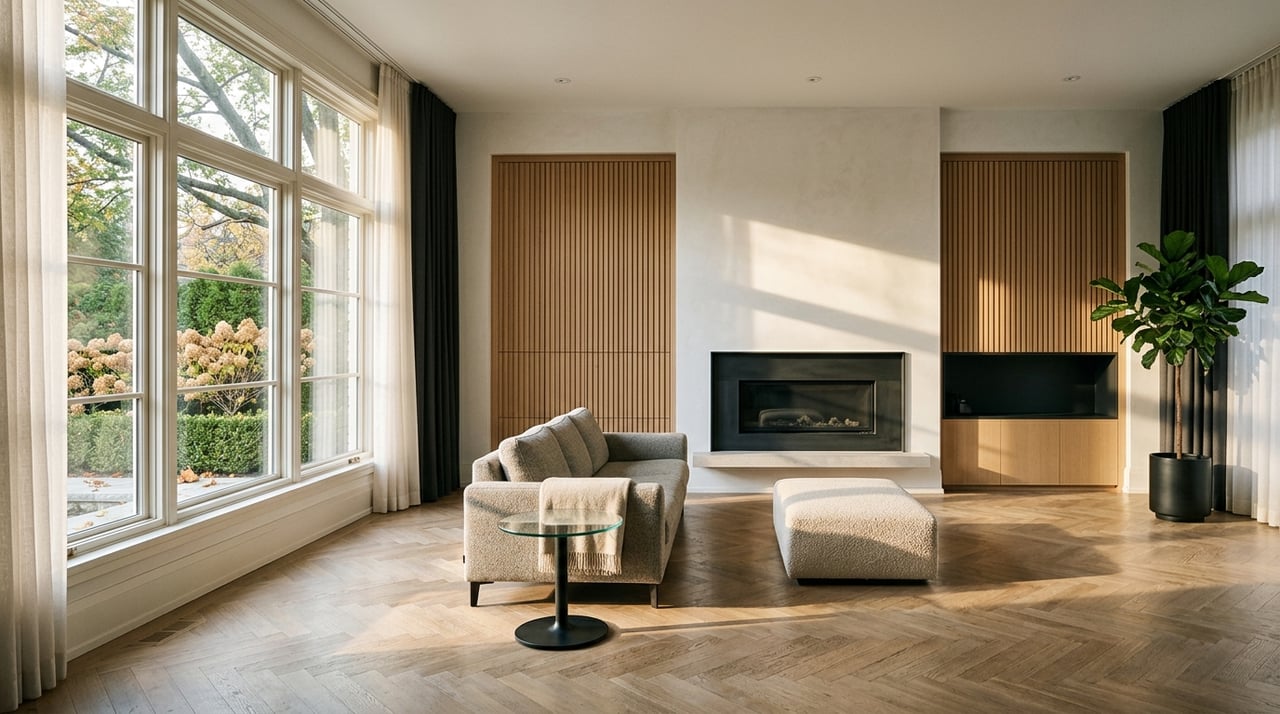
June 25, 2026
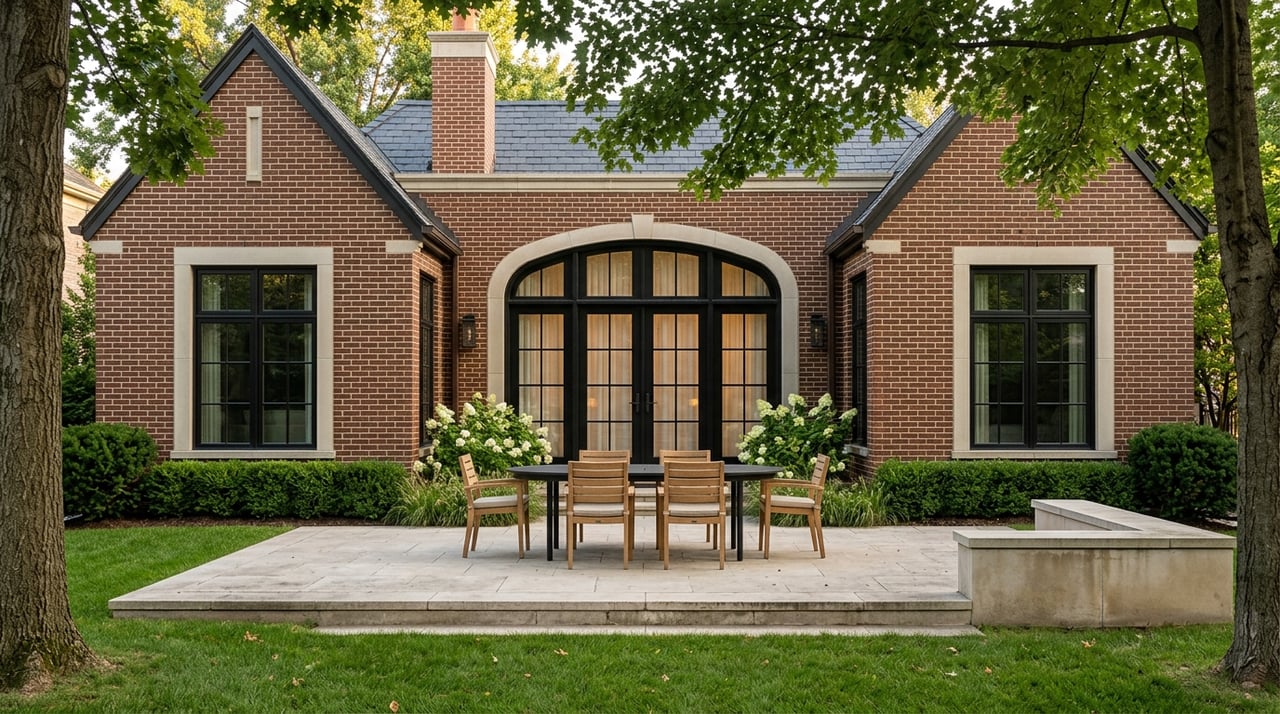
June 18, 2026
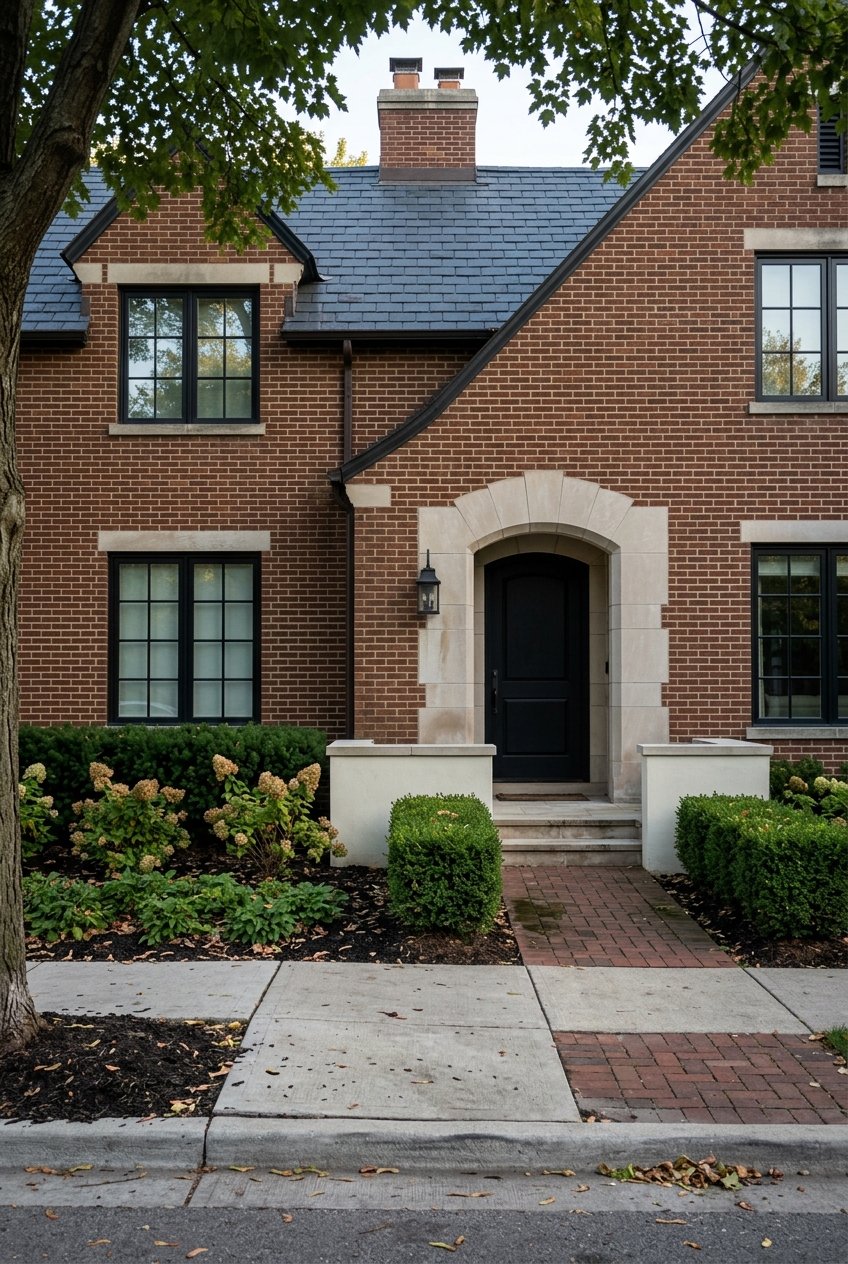
June 11, 2026
June 4, 2026
May 28, 2026
May 21, 2026
May 14, 2026
May 7, 2026
April 23, 2026
At LFC Partners, real estate is more than a transaction—it’s a collaboration rooted in expertise and trust. With decades of combined experience in architecture, finance, and strategic negotiation, Ann, Jeff, and Kim bring a refined, data-driven approach to every client relationship. Whether you’re buying, selling, or investing along the North Shore, you can count on their deep market knowledge, analytical precision, and unwavering commitment to results.
LFC Partners Real Estate
(847) 828-9991
[email protected]
Ann Lyon
(847) 828-9991
[email protected]
Jeff Folker
(847) 504-6182
[email protected]
Kim Campbell
(312) 434-9372
[email protected]
600 N Western Ave Lake Forest IL 60045