Are you eyeing a Lake Bluff luxury home and wondering if your mortgage will be a jumbo? You are not alone. Many buyers moving to or moving up in Lake Bluff face loan sizes that outpace standard limits, especially for lakefront or architecturally significant properties. In this guide, you will learn how to confirm whether your loan is jumbo, what lenders expect, how rates differ from conforming loans, and how local property factors can impact your approval. You will also get a lender-ready checklist tailored to Lake Bluff so you can shop with confidence. Let’s dive in.
Conforming vs. jumbo in Lake Bluff
The Federal Housing Finance Agency (FHFA) sets the annual conforming loan limit. If your requested mortgage exceeds the FHFA limit for the county where the property sits, it is considered a jumbo loan and is not eligible for purchase by Fannie Mae or Freddie Mac. Limits also vary by unit count. A single-family home has a different cap than a 2- to 4-unit property.
Because Lake Bluff is in Lake County, Illinois, your threshold depends on the county’s current-year conforming limit. Always verify the figure before you run numbers. You can find the most up-to-date county limits on the FHFA conforming loan limits page.
Many luxury homes in and around Lake Bluff exceed the baseline conforming cap, which makes jumbo financing common. Your goal is to compare the loan amount you need to the current county limit. If your loan request is higher, you are shopping for a jumbo.
What to check first
- Property location and county. Lake Bluff is in Lake County, IL.
- Unit count. Limits differ for 1- to 4-unit properties.
- Current-year FHFA limit. Verify the county figure on FHFA.gov before making decisions.
What jumbo lenders expect
Jumbo loans often come with more documentation and tighter underwriting than conforming loans. Being prepared can reduce stress and improve your timeline.
Documentation you will provide
- Income verification: Two years of personal tax returns with all schedules. If you are employed, recent W‑2s and paystubs. If you are self-employed, expect year-to-date profit and loss and a balance sheet.
- Assets: Two to four months of statements for bank, brokerage, and retirement accounts. Lenders review balances and recent activity.
- Employment and VOE: Written verification of employment and recent pay evidence if salaried.
- Credit: A full credit report. You may need to explain large inquiries or any derogatory items.
- Gifts: If down payment funds are a gift, provide a gift letter, donor statements, and proof of transfer.
- Appraisal: A full interior and exterior appraisal. Unique or waterfront homes can trigger an enhanced or second appraisal.
- Title and HOA: Title commitment, survey if needed, and condo or HOA documents and insurance if applicable.
Down payment and reserves
- Primary residences: Many jumbo programs start around 20 percent down. Some portfolio or bank programs may allow 10 percent with excellent credit, strong income, and higher reserves.
- Second homes: Often 20 to 30 percent down.
- Investment properties: Commonly 25 to 30 percent down or more.
- Reserves: Plan on 6 to 12 months of total housing payments in liquid or semi-liquid assets for primary homes. Second homes and investment properties often require more.
Credit score and DTI targets
- Credit scores: Mid 700s often secure the best pricing. Some lenders accept scores in the high 600s with stronger down payments and reserves.
- Debt-to-income ratio: Most programs cap DTI around 43 to 50 percent. Self-employed borrowers should expect closer scrutiny of income stability and business cash flow.
Other underwriting factors
- Nontraditional income: Distributions, trust income, or investment income can work but must be well documented and likely to continue.
- Asset depletion: Some lenders allow assets to help you qualify. Terms vary by lender and program.
- Overlays: Jumbo lenders often have their own additional requirements. Local and regional banks with portfolio programs may be more flexible for unique properties.
How jumbo rates and products compare
Conforming loans benefit from agency backing and deep investor demand. Many jumbo loans are either kept in a bank’s portfolio or pooled into private-label securities, which can be less liquid. That difference often results in a modest premium in jumbo rates compared with conforming.
What to expect on pricing
- Rate spread: Jumbos often price slightly higher than comparable conforming loans. The spread changes with market conditions, lender appetite, your credit profile, loan-to-value ratio, and reserves.
- Loan terms: Fixed-rate 15- and 30-year options are common. Adjustable-rate jumbos such as 5/1, 7/1, and 10/1 ARMs may start lower and can be a good fit if your time horizon is shorter or you expect future liquidity.
- Portfolio options: Regional banks and credit unions sometimes offer competitive jumbo programs with flexible underwriting for local properties.
Rate locks and timing
- Lock windows: Expect 30 to 60 days for most jumbo locks. Longer locks tend to cost more.
- Float-downs: Available with some lenders and usually tied to specific conditions and fees.
- Appraisal timing: Since high-value and complex homes take longer to appraise, order early so you can lock intelligently once key milestones are clear.
Lake Bluff property factors that affect approval
Lake Bluff and the surrounding North Shore include a broad range of higher-value and architecturally distinct homes. These local characteristics can shape both the appraisal and the underwriting process.
Appraisals and comparables
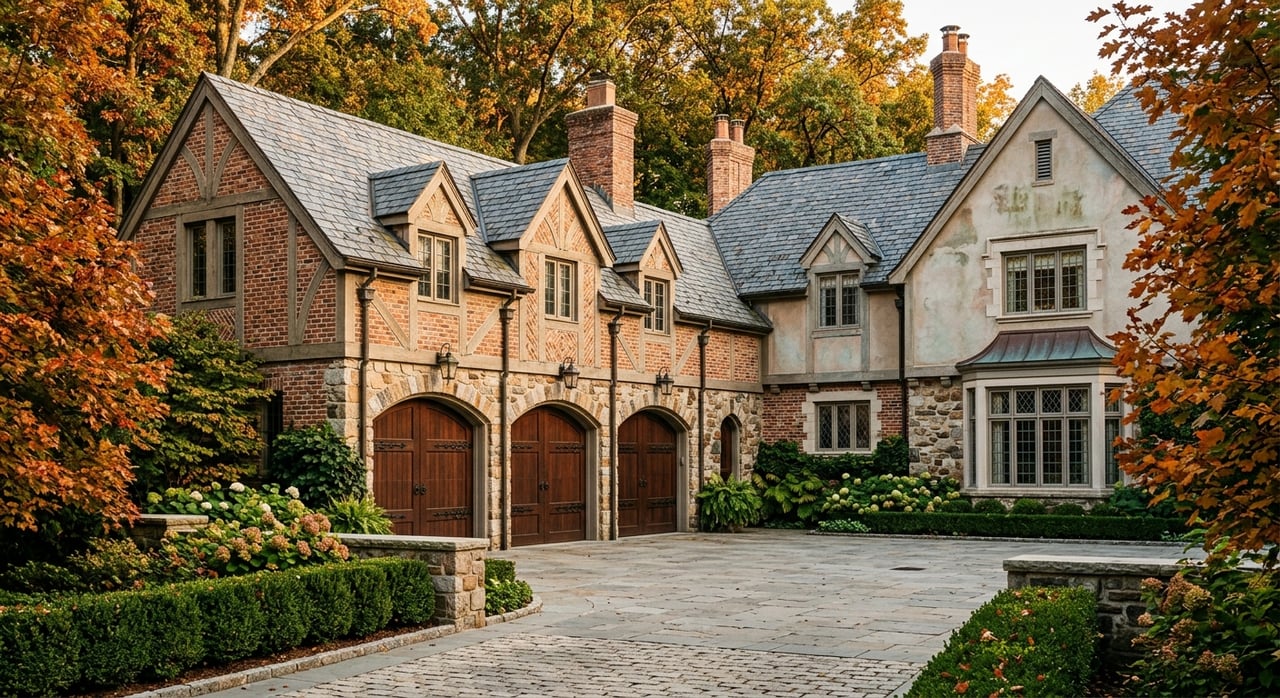
- Unique features: Historic pedigree, custom architecture, or lake access can limit direct comparables. Lenders may require an appraiser with luxury experience in Lake County.
- Second opinions: Thin comps or complex valuations can trigger a desk review or a second appraisal. Build in extra time for this step.
- Turn times: Allow 10 to 21 or more days for high-value or unique properties.
Flood zones and shoreline items
- Flood risk: Lakefront parcels are more likely to fall within FEMA Special Flood Hazard Areas. If so, your lender will likely require flood insurance.
- Documentation: You may need an elevation certificate, survey, shoreline stabilization records, or recent contractor reports. You can check your preliminary status on the FEMA Flood Map Service Center.
Property taxes, HOAs, and condo reviews
- Taxes: Lake County property taxes can be substantial for luxury homes. Taxes impact your monthly payment and reserve requirements.
- Associations: If you are purchasing a condo or a home with an HOA, your lender will review the association’s financial health and insurance. Be ready to provide budget, meeting minutes, reserve studies, and master policy details.
Cross-border moves
If you are relocating from Wisconsin or another state, build closing costs into your cash plan. Transfer taxes, recording fees, and tax treatment can differ and affect your bottom line.
Your lender-ready jumbo checklist
Being organized is the fastest way to a smooth approval. Use this Lake Bluff–focused list to move from accepted offer to clear-to-close with fewer surprises.
Pre-application prep
- Two years of signed personal tax returns with all schedules.
- Last 2 to 3 months of bank statements for all accounts. Expect 60 to 120 days in some cases.
- Last 30 days of paystubs if employed. Written verification of employment will follow.
- For self-employed: Two years of business returns, year-to-date profit and loss, and a balance sheet.
- Asset statements for brokerage and retirement accounts, plus confirmation you can liquidate if needed.
- Photo ID and Social Security number for the credit pull.
- Letters of explanation for large deposits, gaps in employment, or credit events.
- Gift documentation if any down payment funds are a gift.
Property documents
- Fully executed purchase contract and all addenda delivered to your lender early.
- HOA or condo resale packet, including budget, reserve study, meeting minutes, and master policy declarations if applicable.
- Most recent property tax bill or assessor detail once available.
- Flood determination. If in a flood zone, obtain insurance quotes or binders and an elevation certificate if required.
- Survey and any specialty reports if the lot is waterfront or boundaries, septic, or improvements are in question.
- Disclosures for known structural or environmental issues and permits for recent remodels or additions.
Underwriting readiness
- Document all funds for down payment, closing costs, and reserves with statements and transfer receipts.
- Source large transfers with wire confirmations and account histories.
- Discuss appraisal expectations with your lender and order early. Ask about second appraisal triggers for unique homes.
- If you will use rental or investment income to qualify, provide leases and two years of returns.
- Get preliminary quotes for homeowner’s and any required flood insurance, especially for lakefront properties.
Timing and communication
- Build in 30 to 45 or more days from application to close for many jumbo scenarios. Complex files may need longer.
- Consider locking after the appraisal is underway and key contract deadlines are clear. Longer locks typically carry a cost.
- Avoid major credit changes during the process. No new auto loans, no sudden card balances, and no reduced credit limits.
Choosing your jumbo lender
Lenders that know Lake County luxury housing can help you navigate flood considerations, shoreline documentation, complex appraisals, and HOA reviews. Compare portfolio lenders such as regional banks against national options for the right mix of flexibility, pricing, and turn times. Ask about overlays, reserve requirements, and experience with high-value lakefront and architecturally distinct homes in Lake Bluff.
Putting it all together
If you are shopping luxury homes in Lake Bluff, start by confirming whether your loan is jumbo and assemble your documents early. Understand how jumbo pricing and product choices align with your time horizon, then plan for property-specific steps such as flood checks, HOA reviews, and potentially extended appraisal timelines. With the right preparation, you will be able to make decisive offers and keep closing dates on track.
Ready to talk strategy for your Lake Bluff purchase and align your timeline with financing? Connect with LFC Partners for local insight, precision pricing advice, and concierge-level coordination from offer to close.
FAQs
What is a jumbo loan for a Lake Bluff home purchase?
- A jumbo loan is any mortgage that exceeds the FHFA conforming limit for Lake County, IL. Check your loan size against the current-year county limit on FHFA.gov to confirm.
How do I check today’s conforming loan limit for Lake County?
Do jumbo loans in Lake Bluff always require 20 percent down?
- Many do, but some portfolio or bank programs may allow 10 to 15 percent down for highly qualified borrowers with strong credit, income, and reserves.
Are jumbo mortgage rates much higher than conforming rates?
- Not always. Jumbos often carry a modest premium, but the gap changes with markets and your profile. Credit score, loan-to-value, reserves, and occupancy all affect pricing.
What slows down jumbo approvals on Lake Bluff luxury homes?
- Complex appraisals, self-employment income, large or undocumented deposits, flood or shoreline documentation, and HOA or condo project reviews can extend timelines.
Can I use an adjustable-rate mortgage for a jumbo purchase?
- Yes. Jumbo ARMs such as 5/1, 7/1, and 10/1 are common and can offer lower initial rates. Consider your time horizon and refinance risk before choosing an ARM.
Do I need flood insurance for a lakefront property in Lake Bluff?
- If the property is in a FEMA Special Flood Hazard Area, your lender will likely require flood insurance. Check the FEMA Flood Map Service Center and obtain quotes early.