Are you drawn to the crisp symmetry of a Georgian facade, the storybook lines of a Tudor, or the glassy calm of a Midcentury home near the water? In Lake Forest, you see all of them, often crafted at an exceptional level. Choosing the right style is personal, and understanding what you are looking at can make you a more confident buyer or a smarter seller. In this guide, you will learn how to identify key styles, gauge craftsmanship, and plan upgrades that fit Lake Forest’s historic and lakefront context. Let’s dive in.
Lake Forest context and history
Lake Forest grew as a prosperous North Shore community in the late 19th century. Many high-style houses date from about 1880 to 1940, with additional infill and modern homes after World War II. Prominent architects such as Howard Van Doren Shaw and David Adler designed notable residences that often interpreted classical and European precedents for American living.
The landscape shaped the architecture. Proximity to Lake Michigan encouraged terraces, large windows, and thoughtful siting on wooded lots and bluffs. In historic neighborhoods, large lots and mature trees influence drainage, additions, and any exterior work.
Lake Forest has an active preservation framework. Several districts and individual properties are designated, and many houses are revival styles rather than originals from the 1700s. If you are considering changes, consult the City’s historic preservation office and the Lake Forest–Lake Bluff Historical Society. National Register forms and local guidelines can clarify what is significant about a specific property and what work may require review.
Style guide: how to spot Lake Forest homes
Georgian and Georgian Revival
- Exterior hallmarks
- Strong symmetry with a centered front door, classical surround with pilasters and a pediment, and fanlight or transom.
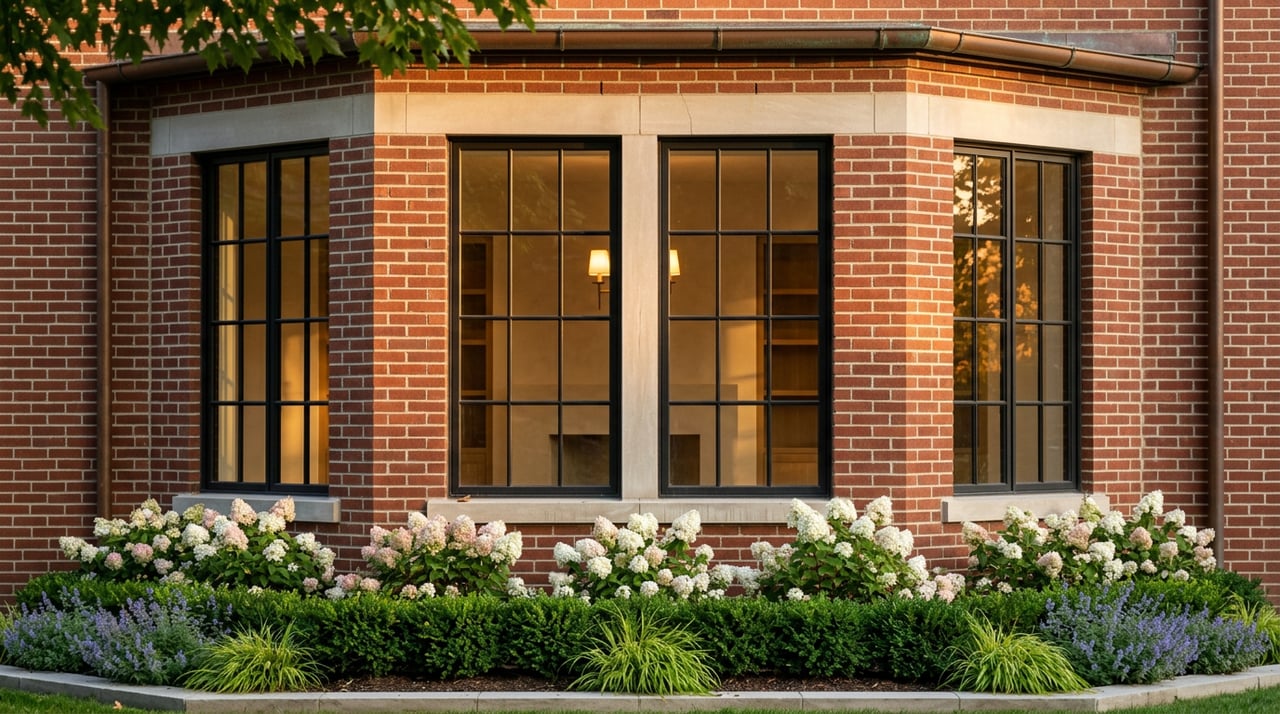
- Evenly spaced multi-pane double-hung windows, often 6-over-6 or 9-over-9, with a formal cornice and dentil details.
- Low-pitched hipped or side-gabled roof, sometimes with paired chimneys.
- Typical materials
- Red or Flemish-bond brick with stone or cast-stone trim. Limestone steps and foundations are common locally.
- Slate roofs on higher-end examples with painted wood cornices and trim.
- Interior cues
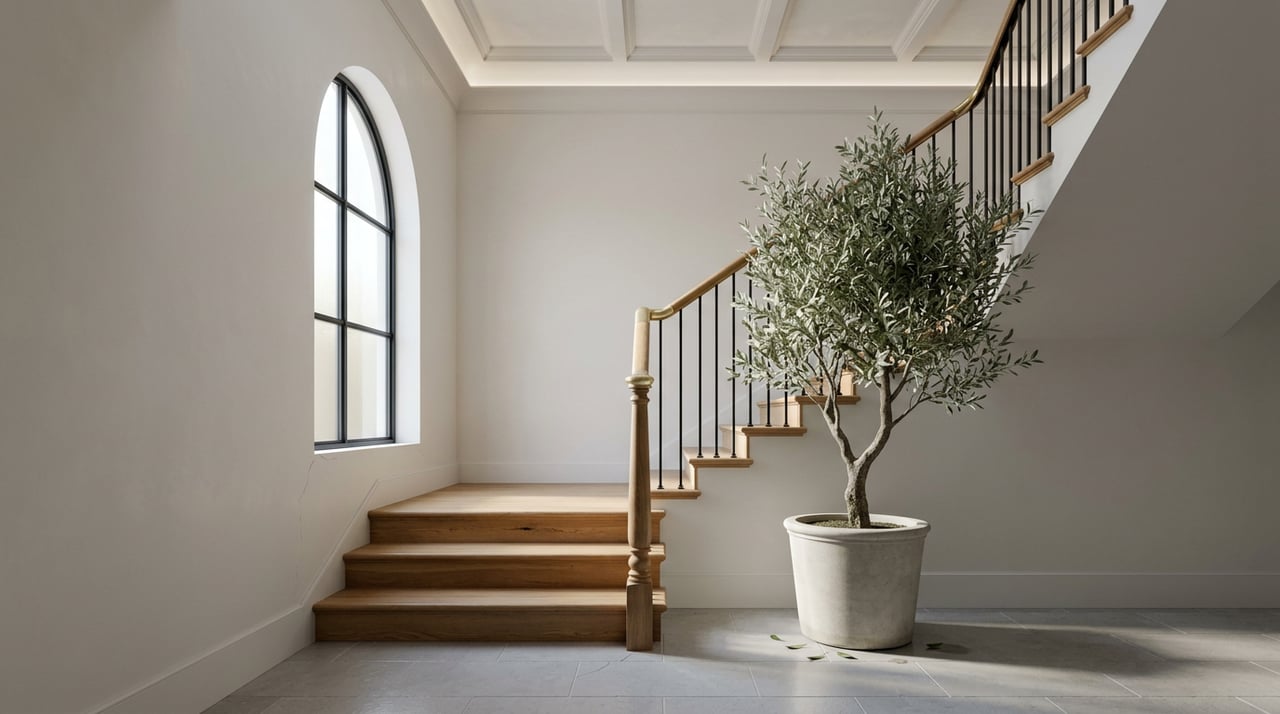
- Paneled wainscot, symmetrical room layouts, formal stair halls with turned balusters, and wood-paneled libraries.
- Classical mantelpieces, plaster crown moldings, and original window muntin profiles.
- Common issues
- Window replacements that ignore original muntin patterns, insulation or mechanical changes that compromise trim, and undersized systems that struggle with modern comfort expectations.
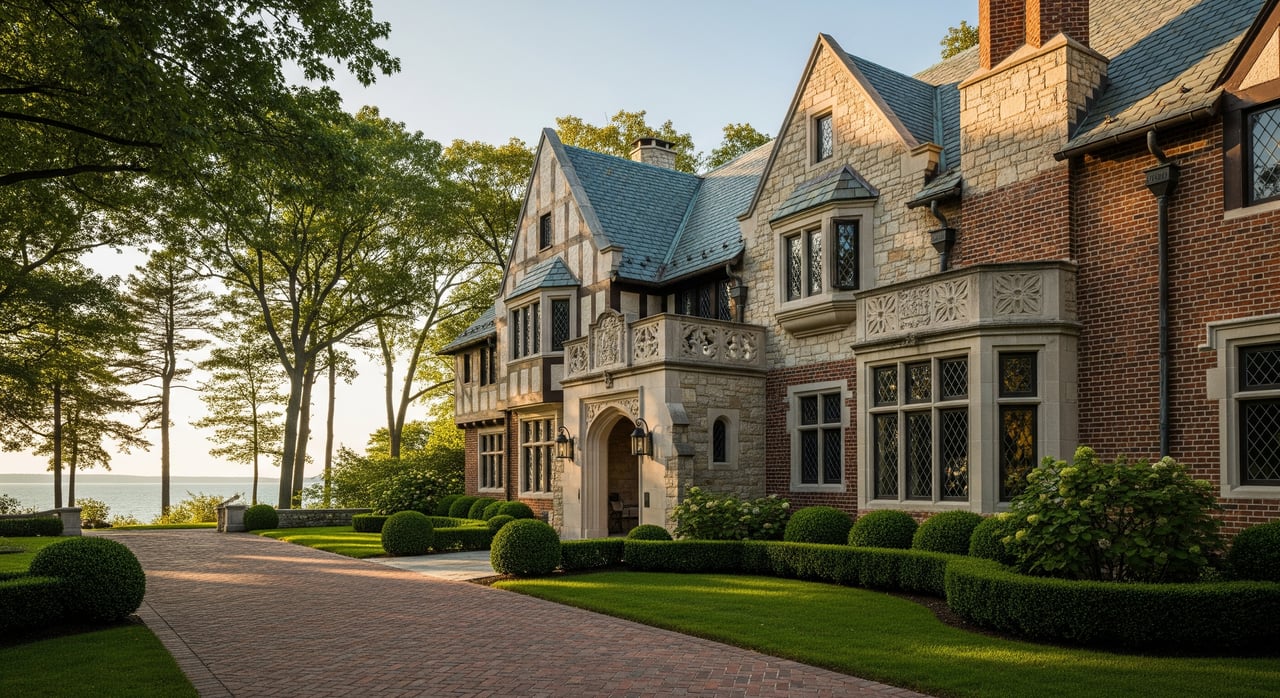
Tudor Revival
- Exterior hallmarks
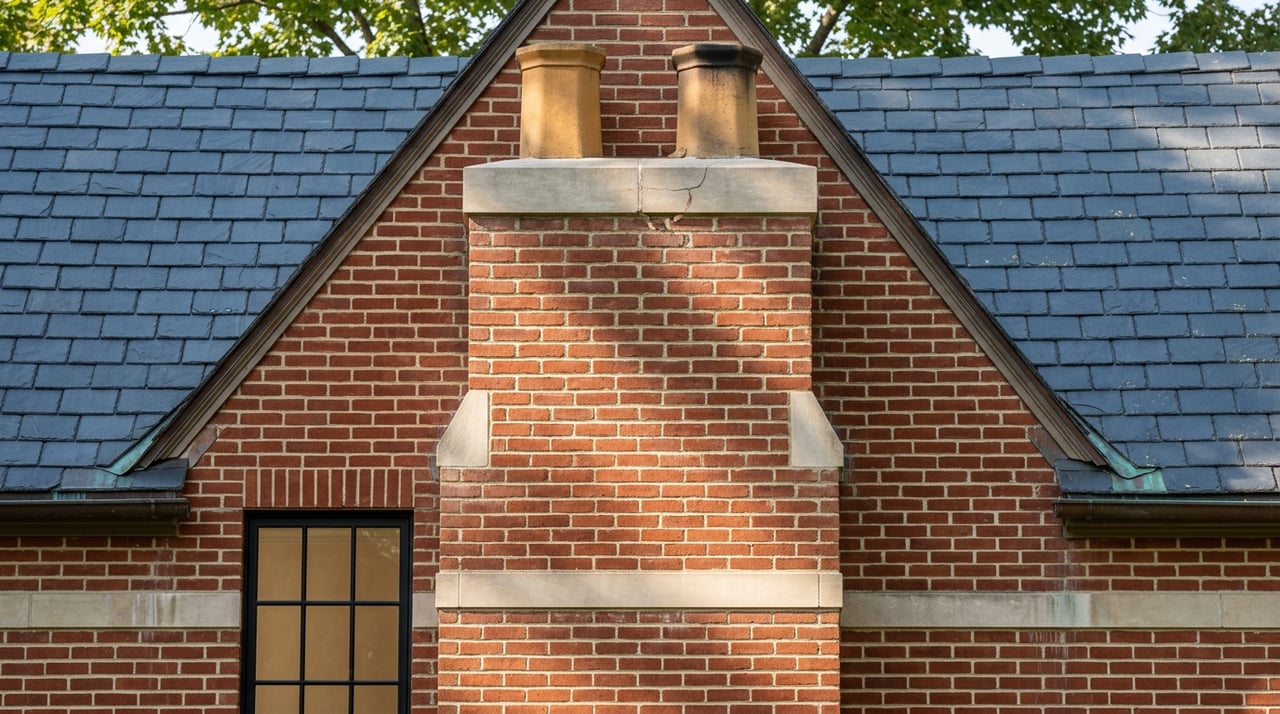
- Steep, multi-gabled roofs with cross gables and tall chimneys, sometimes with decorative chimney pots.
- Asymmetrical massing, arched or recessed entries, and decorative half-timbering with stucco infill.
- Casement windows with leaded or diamond-patterned panes.
- Typical materials
- Rough-cut stone or rubble at the foundation and first floor, brick or stucco above, with slate or tile roofs.
- Heavy wood doors and original wrought-iron hardware.
- Interior cues
- Exposed beams, textured plaster, paneled dining rooms, and substantial staircases.
- Built-in bookcases and solid wood joinery.
- Common issues
- Stucco cracking and water intrusion at half-timber joints, chimney repairs, and the use of hard cement patches that are incompatible with original lime-based materials.
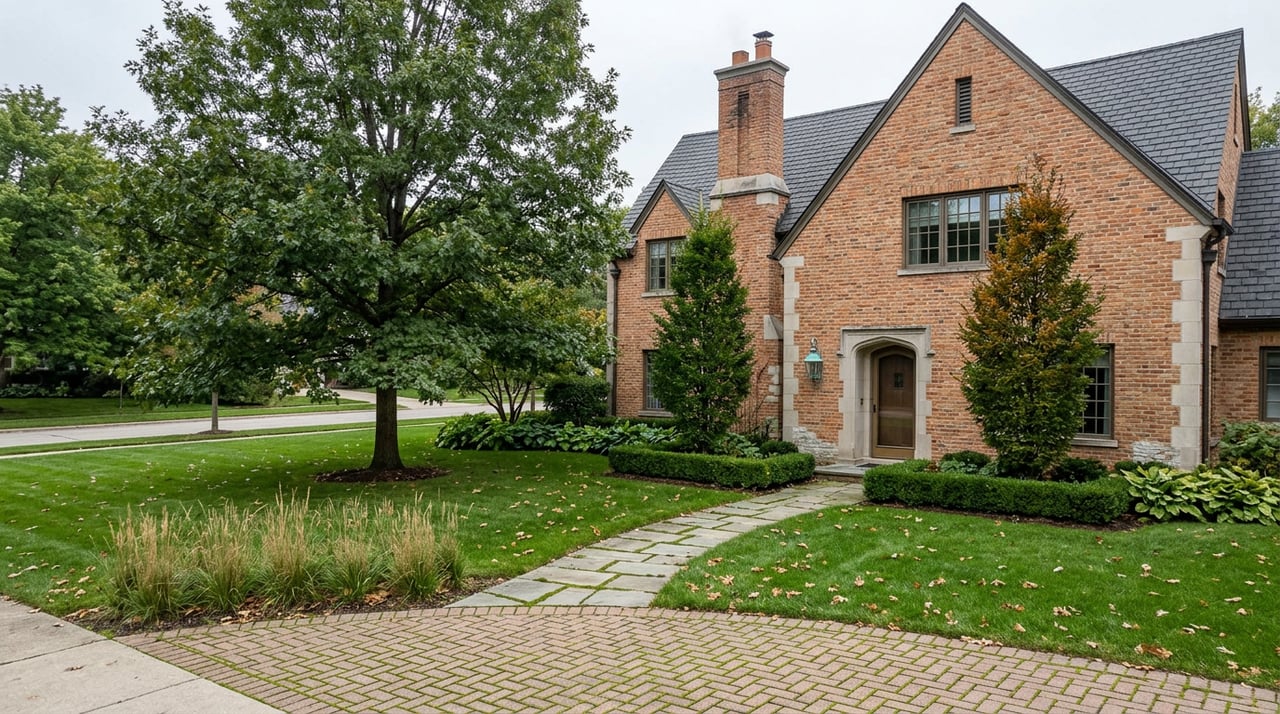
Colonial Revival
- Exterior hallmarks
- Symmetry similar to Georgian but often a bit looser, with classical porch columns and shuttered multi-pane windows.
- Prominent entries with sidelights and a transom, and gambrel roofs in Dutch Colonial variants.
- Typical materials
- Wood clapboard or shingles, brick veneers on larger homes, and painted wood trim.
- Original roofs may feature cedar shingles.
- Interior cues
- Formal dining rooms, plaster moldings, window seats, and built-in china cabinets.
- Classical mantel surrounds and hand-planed millwork in higher-end homes.
- Common issues
- Vinyl siding that hides original corner boards and trim, and window replacements that flatten historic profiles.
Midcentury Modern
- Exterior hallmarks
- Low or flat roofs, horizontal lines, and large expanses of glass including floor-to-ceiling windows or clerestories.
- Open plans and indoor-outdoor connections, with simple, unornamented facades that express structure.
- Typical materials
- Brick, concrete block, vertical wood siding, large glass panels, and metal frames.
- Some houses use exposed structural steel or board-and-batten details.
- Interior cues
- Open living spaces, built-in cabinetry, terrazzo or wood floors, and original integrated lighting and hardware.
- Common issues
- Energy loss through single-pane glass, roof membrane failures, and hidden deterioration at post-and-beam connections. Upgrades may be complex where structure and aesthetics are intertwined.
Lakefront estates
- Site hallmarks
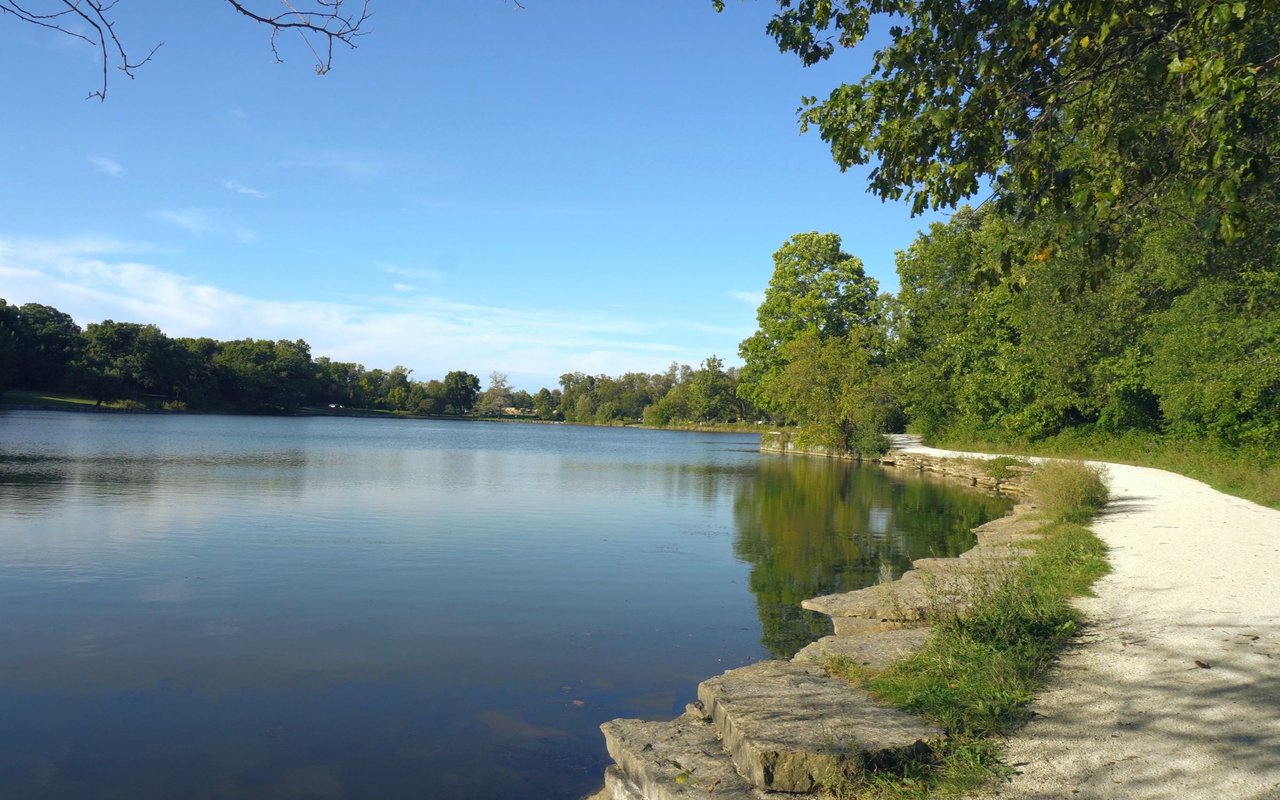
- Orientation to Lake Michigan, with broad water-facing windows and terraces, plus long sightlines to the shore.
- Terraced stonework, steps down the bluff, boathouses or docks, and landscape frames that manage views and wind.
- Typical materials and structure
- Reinforced concrete foundations, cut stone or limestone terraces, and specialty metals and flashings suited to shoreline conditions.
- Shoreline stabilization elements such as seawalls or rip-rap may be present and often require permits.
- Interior cues
- Large openings that capture views, custom millwork, and durable finishes for high-humidity environments.
- Common issues and approvals
- Erosion and bluff stability, drainage, and potential floodplain considerations. Shoreline work can involve local and state permits. Confirm riparian rights and any recorded easements.
Craftsmanship: what to look for
Not all revival homes are equal. Lake Forest includes many houses where materials and workmanship were a major selling point. Train your eye for these indicators:
- Masonry
- Even, well-tooled mortar joints with true bond patterns such as Flemish or English bond.
- Matched stone dressings and ashlar, and lime-based mortar in pre-1950 construction.
- Woodwork and joinery
- Continuous grain in trim, detailed paneled doors, and tight, pegged joints in stairs and built-ins.
- Plaster
- Three-coat plaster walls and ceilings with crisp molded profiles, not drywall overlays.
- Roofing
- Slate or tile roofs with generous copper flashings and properly formed valleys.
- Windows and glass
- True divided light sashes with historic muntin profiles, wavy glass in very old examples, and original leaded casements in Tudor homes.
Renovation realities in Lake Forest
Older houses can deliver long-term value when upgraded thoughtfully. Here is how to assess feasibility before you commit:
- Structural and moisture checks
- Look for stepped cracks in masonry, out-of-level stairs, and doors that stick. White efflorescence on foundations can indicate moisture.
- Inspect attics and ceilings for stains or soft spots that signal roof leaks.
- Probe exterior sills and trim for rot where paint has failed.
- System updates
- Expect electrical upgrades if you see knob-and-tube wiring or older panels. Older plumbing may include galvanized or cast iron and lead-based solder.
- Mechanical systems may need rethinking where attics are tight, chimneys are small, or duct runs would damage original fabric. Mini-splits or hydronic systems can be alternatives.
- Life safety and code
- Bedrooms in historic houses may need egress window updates. Stair widths and headroom can affect addition plans.
- Environmental checks
- Pre-1978 homes may include lead-based paint or asbestos-containing materials. Plan for proper testing and abatement where indicated.
The right experts for your project
Before a purchase or major renovation, consider a targeted set of inspections and consultants:
- General home inspector, followed by specialists as needed.
- Structural engineer for foundation movement, large openings, or significant additions.
- Historic preservation architect to advise on character-defining elements and sensitive upgrades.
- Masonry specialist for mortar analysis and stone repair.
- Roofing contractor experienced with slate or tile.
- Licensed electrician and plumber to scope full-system modernization.
- Environmental testing for lead, asbestos, or mold.
- Geotechnical or shoreline consultant for lakefront lots and bluff stability.
- Arborist to assess mature trees that can influence foundations and permitting.
Plan the scope: from simple to complex
Renovation complexity in Lake Forest often falls into a few tiers:
- Cosmetic updates
- Interior paint, refinished floors, and kitchen or bath refreshes that do not change structure.
- Systems and energy upgrades
- HVAC modernization, attic and wall insulation, and full electrical or plumbing updates. These require careful detailing to protect historic trim and plaster.
- Structural and envelope work
- Foundation underpinning, roof structure replacement, moving walls, and enlarging window openings. Expect engineering and specialized trades.
- Shoreline and site work
- Bluff stabilization, grading, and drainage improvements. These are highly regulated and require permits and experienced contractors.
What to photograph on tours
Photos help you evaluate and compare homes after a long day of showings. Capture:
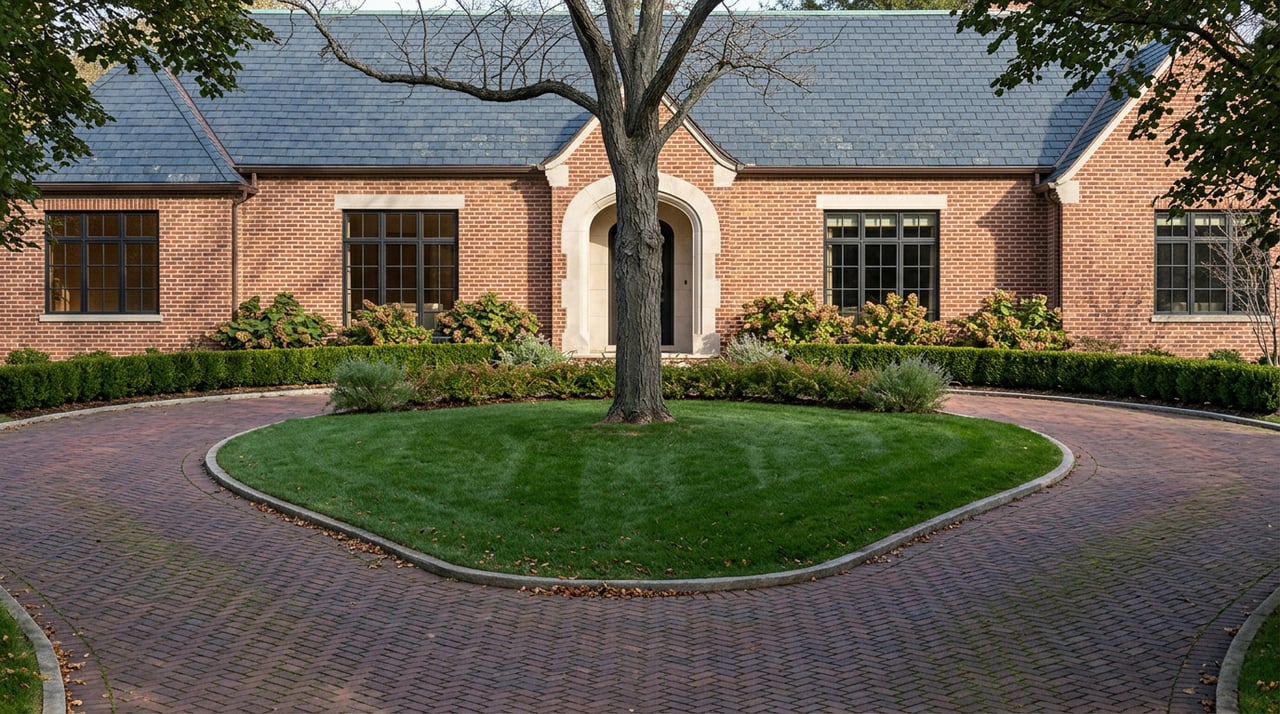
- Full facade
- Show the roofline, massing, and symmetry or asymmetry.
- Defining details
- Georgian door surrounds and dentil cornices. Tudor half-timbering, chimneys, and leaded casements. Colonial columns and sash details. Midcentury curtain walls or clerestories.
- Material close-ups
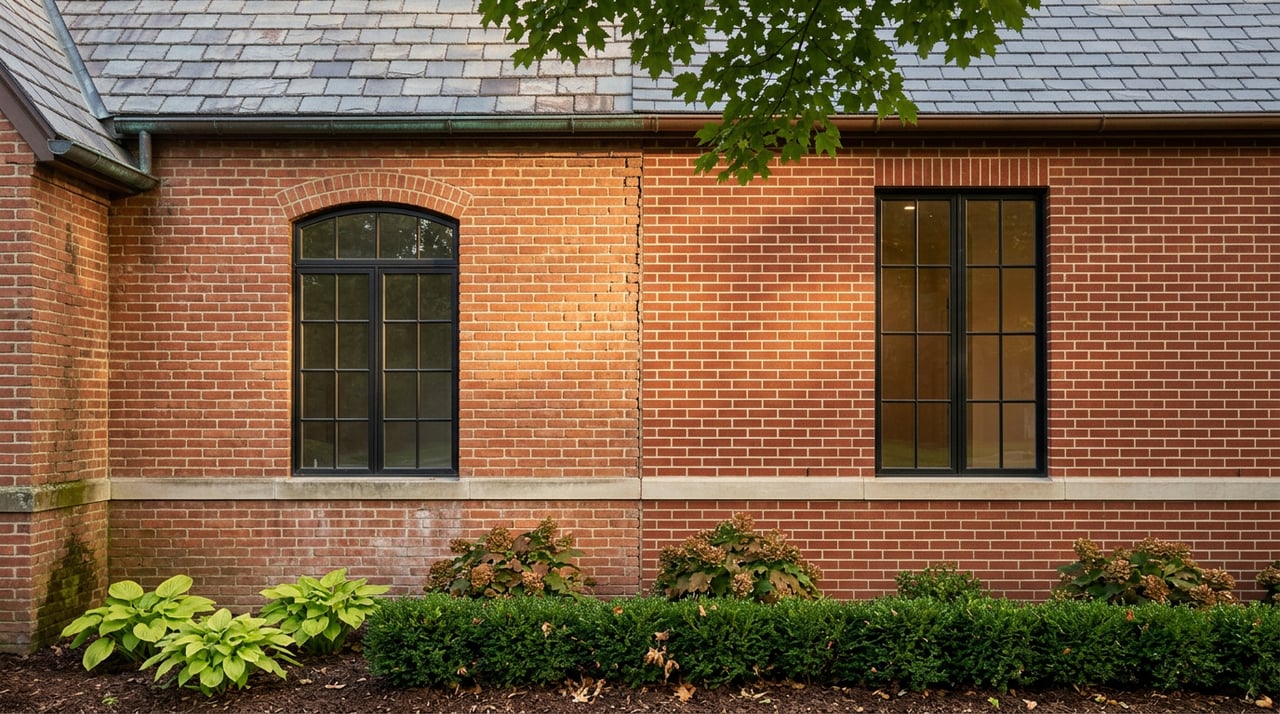
- Brick bond patterns, slate or tile roofs, stone ashlar, crown moldings, built-ins, and exposed beams.
- Condition snapshots
- Mortar deterioration, missing or failing roof flashing, soft window sills, or siding that may cover original trim.
When you review later, add captions noting the style, the specific feature, and the practical implication, for example, original slate roof, long service life, plan for expert maintenance.
Glossary: quick style vocabulary
- Flemish bond and English bond
- Brick patterns that alternate headers and stretchers in specific sequences.
- Quoin
- Dressed stones or bricks that emphasize building corners.
- Dentil cornice
- A line of evenly spaced rectangular blocks beneath a cornice.
- Half-timbering
- Exposed timber framing with stucco infill, common in Tudor Revival.
- Sash types
- Double-hung windows slide vertically, casement windows hinge at the side, and fixed plate glass does not open.
- Muntin
- Slender bars that separate small panes in a window, creating true divided lights.
- Soldier and header courses
- Brick rows laid vertically on end or horizontally across openings to create accents or lintels.
- Corbel
- A stepped masonry projection that supports an overhang or chimney feature.
- Lintel, load-bearing wall, party wall
- Structural elements and conditions that influence remodel plans.
- Egress window
- A window that meets size and height requirements for emergency escape.
- Rip-rap, seawall, bulkhead
- Shoreline stabilization features found on some lakefront properties.
- Historic fabric
- Original materials and details that convey a building’s historic character.
Local preservation and permitting basics
Lake Forest’s historic districts and designated landmarks have review processes for exterior changes. Expect to coordinate with the City’s historic preservation office for alterations, additions, or demolition on designated properties. The Lake Forest–Lake Bluff Historical Society is a strong resource for property histories and architect attributions, and National Register forms often include detailed style descriptions.
For lakefront properties, confirm floodplain status, riparian rights, and any recorded easements. Shoreline work, docks, and seawalls may require local approvals along with state or federal permits. Start early and assemble the right team so design, engineering, and permitting can move in parallel.
How sellers can position style and quality
If you are preparing to sell, highlight authentic style features and evidence of quality.
- Document original materials that have been maintained, such as slate roofing, leaded glass, or hand-milled trim.
- Provide service records for systems, especially if you have modernized electrical, plumbing, or HVAC with care.
- Share plans or approvals for past work to reassure buyers about compliance.
- Use professional photography that captures both the facade and detail shots that prove craftsmanship.
A clear story that blends architecture, condition, and care will attract the right buyer and justify premium pricing.
Ready to match your taste with the right Lake Forest home or to position your property’s architecture for maximum value? Connect with LFC Partners for architecture-informed guidance and white-glove execution. Request a Complimentary Home Valuation & Private Consultation.
FAQs
What are the most common home styles in Lake Forest?
- Georgian and Colonial Revival are widespread, with strong showings of Tudor Revival and a notable set of Midcentury Modern houses, plus custom lakefront estates from many eras.
How can I tell Georgian Revival from Colonial Revival?
- Both are symmetrical, but Georgian is more formal with heavier classical detailing and dentil cornices. Colonial Revival often adds porches, lighter trim, and, in Dutch variants, gambrel roofs.
What issues should I expect in older Lake Forest homes?
- Moisture at foundations, roof leaks, aging electrical or plumbing, and potential lead-based paint or asbestos in pre-1978 homes. Windows and stucco also warrant close inspection.
Do changes to a historic home need approval in Lake Forest?
- Many exterior alterations on designated properties require review. Check with the City’s historic preservation office early to confirm requirements and timelines.
What should I photograph during a showing?
- A full facade, rooflines, window details, masonry joints, interior moldings, built-ins, and any visible issues like deteriorated mortar or flashing. Add captions to track implications.
What extra steps apply to lakefront properties?
- Evaluate bluff stability, drainage, and floodplain status, and confirm rights and easements. Shoreline work typically needs local approval and may involve state or federal permits.