
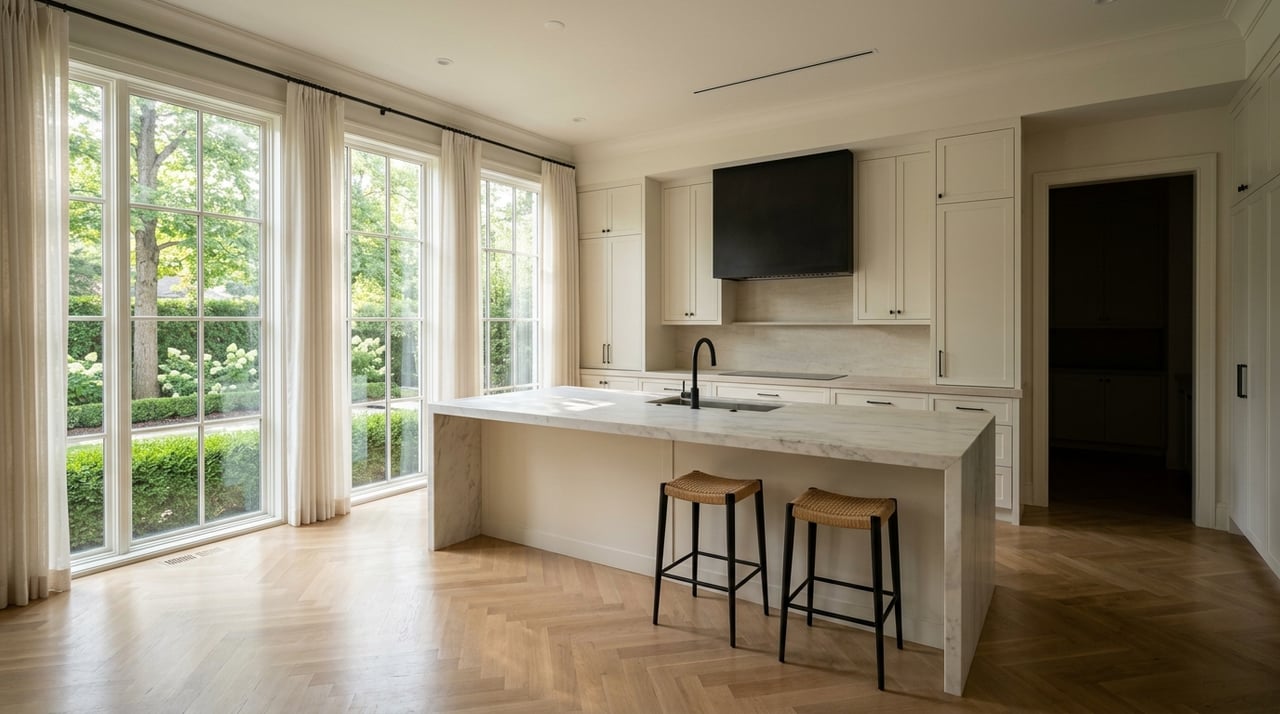
May 14, 2026
If you are preparing to sell a Lake Forest estate, presentation is not a finishing touch. It is part of the value story. In a market where buyers pay close attention to architecture, grounds, and overall condition, the way your property is prepared can shape both first impressions and negotiating leverage. This guide walks you through how to prepare a Lake Forest estate for a high-profile sale with more clarity, less guesswork, and a plan that respects both your home’s legacy and your privacy. Let’s dive in.
Lake Forest remains a premium North Shore market where buyers respond to more than square footage and price per foot. Recent market snapshots point in the same direction, even if the exact figures vary by source. Redfin reported a March 2026 median sale price of $1.285 million and 47 median days on market, while Realtor.com described Lake Forest as a seller’s market in March 2026 with a 28-day median market time and a 98% sale-to-list ratio.
Those numbers should be read as directional, not identical. Still, they support an important takeaway for estate sellers: buyers in Lake Forest are active, selective, and highly attuned to presentation. When your home enters the market, it needs to feel intentional from the first image to the final showing.
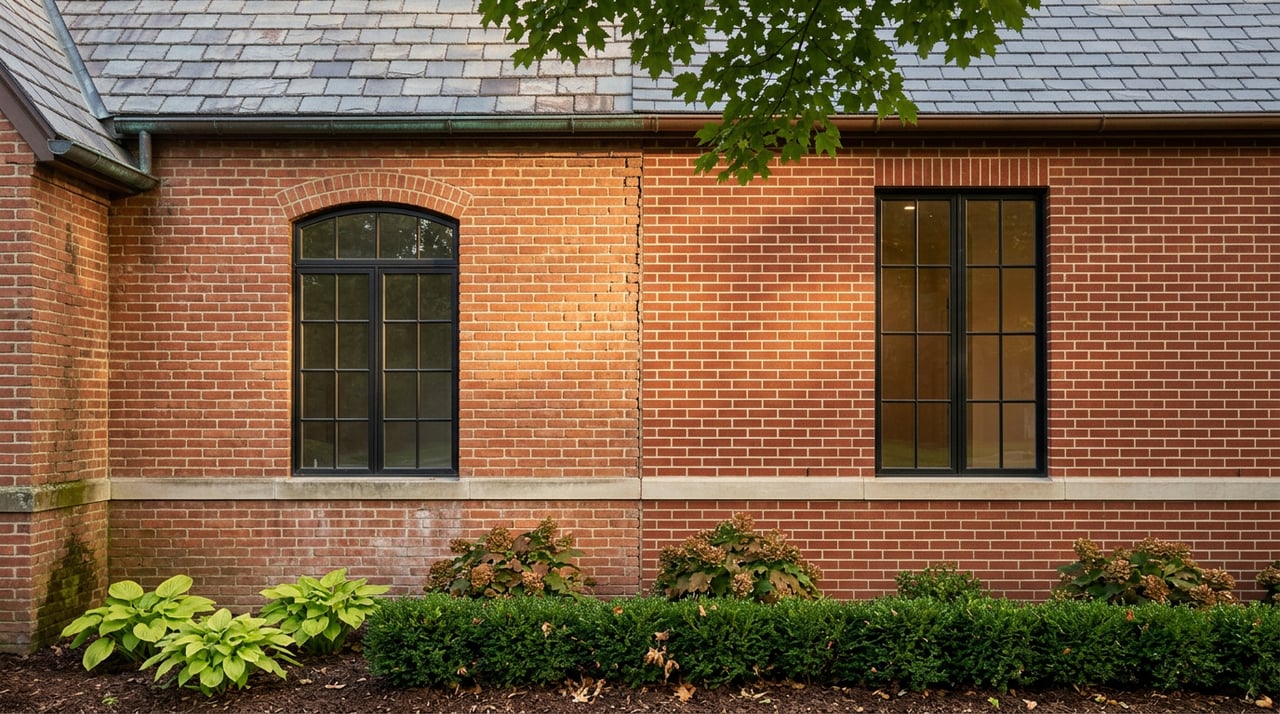
That expectation also fits the character of the community. The Lake Forest Preservation Foundation highlights the importance of restoring and preserving sites, structures, landscapes, and amenities that shape the city’s historic visual character. For many estate properties, that means architecture and setting are not background details. They are central to how buyers judge value.
Before you think about photography, staging, or launch timing, begin with the property itself. A high-profile sale works best when you identify material issues early, organize documentation, and make informed decisions before a buyer does their own deep dive.
In Illinois, sellers of residential property generally must provide the Residential Real Property Disclosure Report before a contract is signed. The statute is intended to inform buyers about material defects and notes that sellers may wish to consult an attorney. If your home was built before 1978, federal lead rules also require disclosure of known lead-based paint or hazard information, any available records and reports, a lead warning statement, and a 10-day buyer inspection or risk-assessment period.
For estate owners, this step is especially important because larger and older homes often have more systems, more deferred maintenance history, and more property-specific questions. Gathering records early helps you answer those questions with confidence instead of rushing later under contract pressure.
A strong pre-listing file often includes:
In Lake Forest, estate preparation sometimes overlaps with city review rules. That matters if you are considering exterior changes before listing, especially anything visible from the street or tied to site appearance.
The City of Lake Forest says the Building Review Board reviews many projects outside the city’s historic districts, including demolition, new residences, additions and alterations, building-scale variances, exterior lighting, landscaping, and overall site plans. City guidance says projects should harmonize with Lake Forest’s architectural and historic heritage, preserve natural landscaping, screen driveways and parking, and use high-quality materials consistent with the chosen style. The city also encourages renovation, updating, and expansion and discourages demolitions.
If your estate has a landmark designation or is located within a historic district, the Historic Preservation Commission may also play a role. According to city guidance, it can recommend exceptions to maximum floor-area limits for new residences or additions to landmark structures or properties within a district.
This is one reason thoughtful planning matters. A pre-sale improvement that seems simple at first glance may have a longer approval path than you expect.
Tree work is another area where sellers should pause before acting. In Lake Forest, trimming does not require a permit, but removal may require one when trees are large, located in front or corner yards, in conservation or tree preservation areas, in ravines or bluffs, on public right-of-way, or tied to planned construction or landscape projects.
If part of your sale strategy includes opening views, increasing light, or simplifying the grounds, it is wise to confirm whether a permit is required before work begins. That can help you avoid delays and preserve the polished, compliant presentation buyers expect.
For a luxury estate, a pre-listing inspection can be one of the smartest preparation steps you take. It gives you a clearer picture of the home’s condition and lets you address issues on your own timeline instead of reacting once a buyer is in the house.
A home inspection can cover the structure, exterior, roof, plumbing, electrical, heating and air conditioning, interiors, ventilation and insulation, and fireplaces. It may also include tests for mold, radon gas, lead paint, and asbestos. NAR notes that pre-listing inspections can help sellers gather information upfront, control repairs, and reduce surprises that might otherwise trigger a canceled contract or more difficult negotiations.
For estate properties, the goal is usually not to make every inch perfect. The smarter approach is to identify the issues most likely to affect buyer confidence or financing and deal with those first.
Focus first on items such as:
This kind of prioritization helps you invest where it matters most. It also supports a cleaner negotiation, because buyers are less likely to fixate on manageable cosmetic imperfections when the major systems appear cared for and credible.
Staging is not about making your home look trendy. For a Lake Forest estate, it is about helping buyers understand scale, function, and emotional appeal while staying true to the property’s architecture.
According to NAR’s 2025 Profile of Home Staging, 83% of buyers’ agents said staging made it easier for buyers to visualize the property as a future home. The same report found that buyers’ agents ranked photos, physical staging, videos, and virtual tours as important to their clients. The living room, primary bedroom, and kitchen were identified as the most important rooms to stage.
That guidance is especially useful for larger homes, where buyers can struggle to understand how rooms relate to one another. Clean furniture plans, restrained styling, and thoughtful scale can make formal rooms feel usable and expansive rooms feel inviting rather than empty.
If you want the highest return on preparation, start with:
In estate homes, editing matters as much as adding. Too much furniture, overly personal decor, or room layouts that fight the architecture can distract from the home itself.
Most buyers start online, and the listing images set the tone before anyone schedules a showing. NAR notes that 81% of buyers consider listing photos the most important factor when evaluating properties. For a high-profile sale, professional photography, video, and virtual presentation are not optional. They are central to how your home competes.
That said, polish should never cross into misrepresentation. NAR warns that digital enhancement can mislead if it disguises condition, scale, or defects. Buyers should know when images are digitally altered, and marketing should present a true picture rather than exaggerate or conceal.
For a Lake Forest estate, the best visuals do three things at once:
Buyers at this level tend to notice composition, lighting, and consistency. When the imagery feels disciplined and accurate, it supports trust.
High-profile sellers often want strong exposure without sacrificing security. That balance is possible, but it requires planning from the start.
NAR recommends stowing personal photos and documents, locking up valuables, discouraging unapproved photography with MLS and in-home notices, and using electronic lockboxes that record who enters and when. NAR also notes that photography and video are now routine during the sales process and that listing imagery is widely shared through the MLS and consumer portals.
For a private estate sale, that guidance supports a tighter showing structure. In many cases, the right plan is appointment-only access with agent-accompanied showings and carefully managed entry protocols.
Consider these practical measures:
These steps help protect your household while keeping the property easy to experience for serious buyers.
Large homes usually need more coordination than standard listings. Starting early gives you more options and reduces rushed decisions.
Here is a simple way to think about the process:
| Phase | Focus |
|---|---|
| Early planning | Disclosures, records, inspection, repair strategy |
| Property prep | Repairs, maintenance, staging plan, landscaping review |
| Compliance check | Confirm whether any city review or permits apply |
| Marketing production | Photography, video, property story, launch materials |
| Showings | Appointment strategy, privacy controls, final presentation |
The right sequence keeps the sale moving forward without losing sight of the details that matter in a luxury market.
A high-profile estate sale is rarely just about putting a home online and waiting. In Lake Forest, buyers often assess architectural integrity, grounds, upkeep, and the overall quality of execution long before they think about making an offer.
That is why thoughtful preparation pays off. When you combine due diligence, selective repairs, presentation, and privacy planning, you create a sale process that feels more controlled and more credible. You also give your home the best chance to stand out for the right reasons.
If you are preparing to sell an estate in Lake Forest, a measured strategy can make all the difference. For a private consultation and a tailored plan for your property, connect with Ann Lyon, LFC Partners.
More on real estate insights.
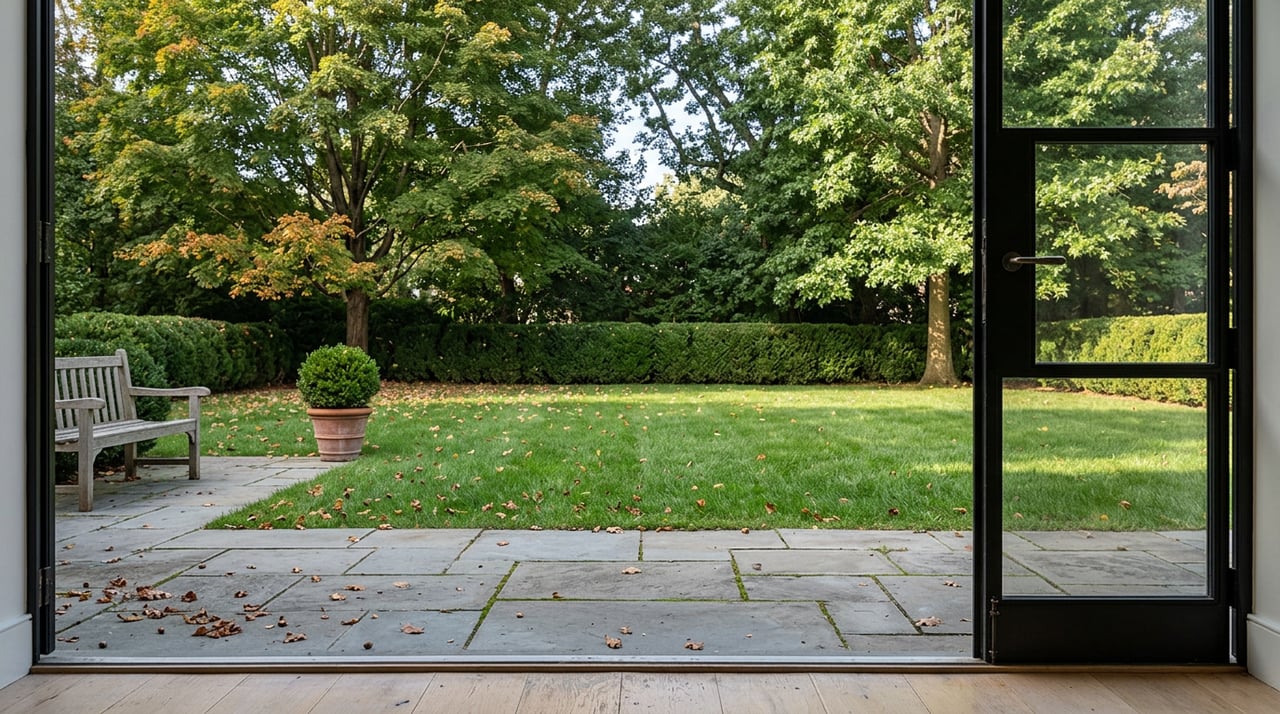
September 17, 2026
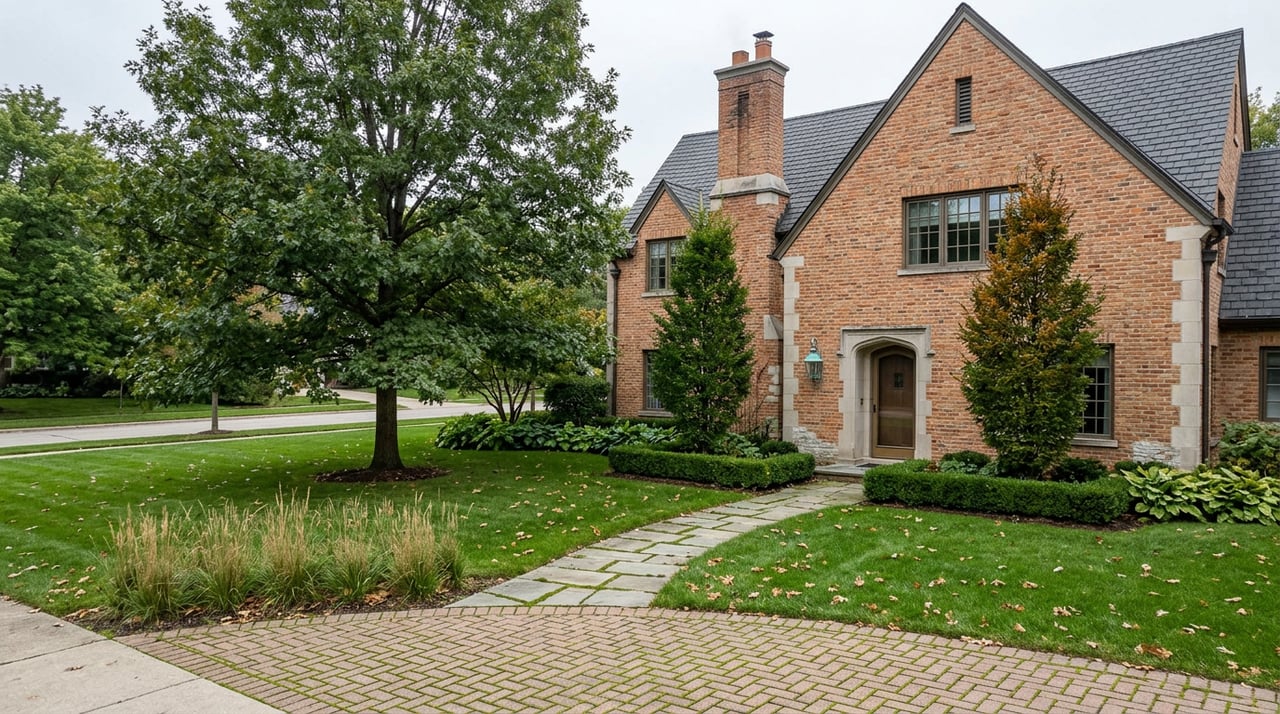
September 10, 2026
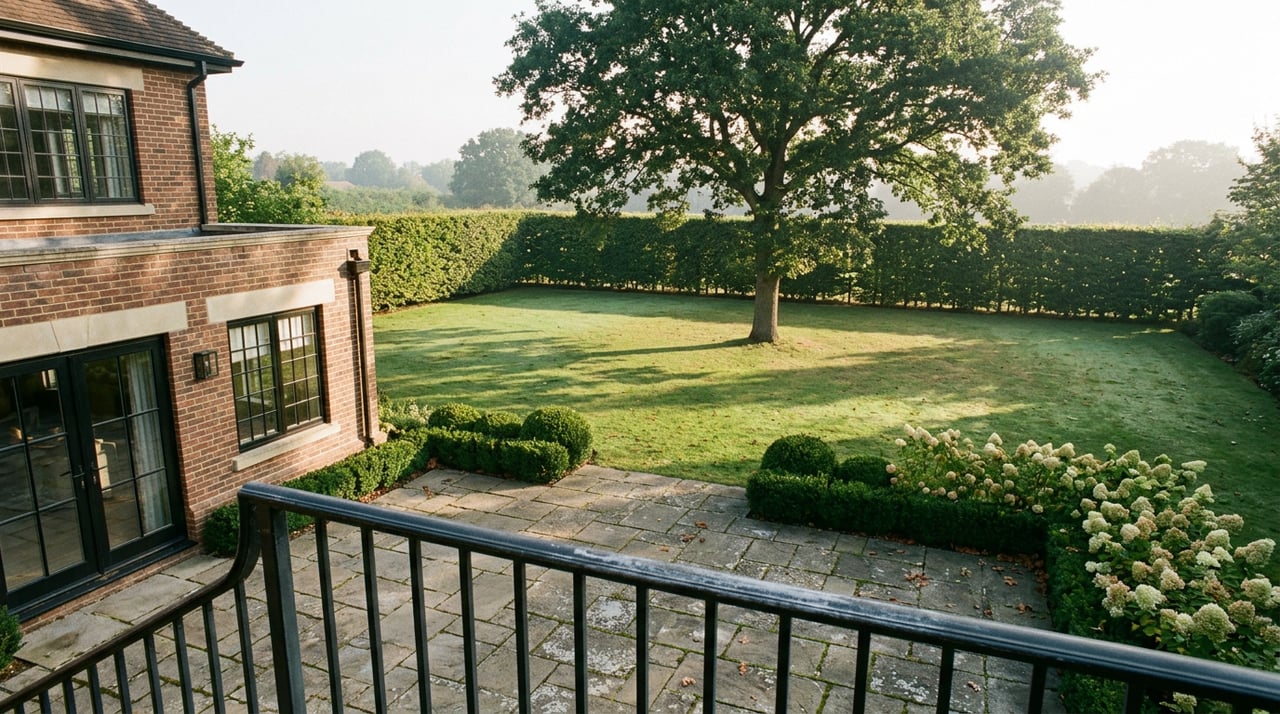
September 3, 2026

August 27, 2026

August 20, 2026

August 13, 2026
August 13, 2026

August 6, 2026

July 23, 2026
At LFC Partners, real estate is more than a transaction—it’s a collaboration rooted in expertise and trust. With decades of combined experience in architecture, finance, and strategic negotiation, Ann, Jeff, and Kim bring a refined, data-driven approach to every client relationship. Whether you’re buying, selling, or investing along the North Shore, you can count on their deep market knowledge, analytical precision, and unwavering commitment to results.

LFC Partners Real Estate
(847) 828-9991
[email protected]
Ann Lyon
(847) 828-9991
[email protected]
Jeff Folker
(847) 504-6182
[email protected]
Kim Campbell
(312) 434-9372
[email protected]
600 N Western Ave Lake Forest IL 60045