
July 9, 2026
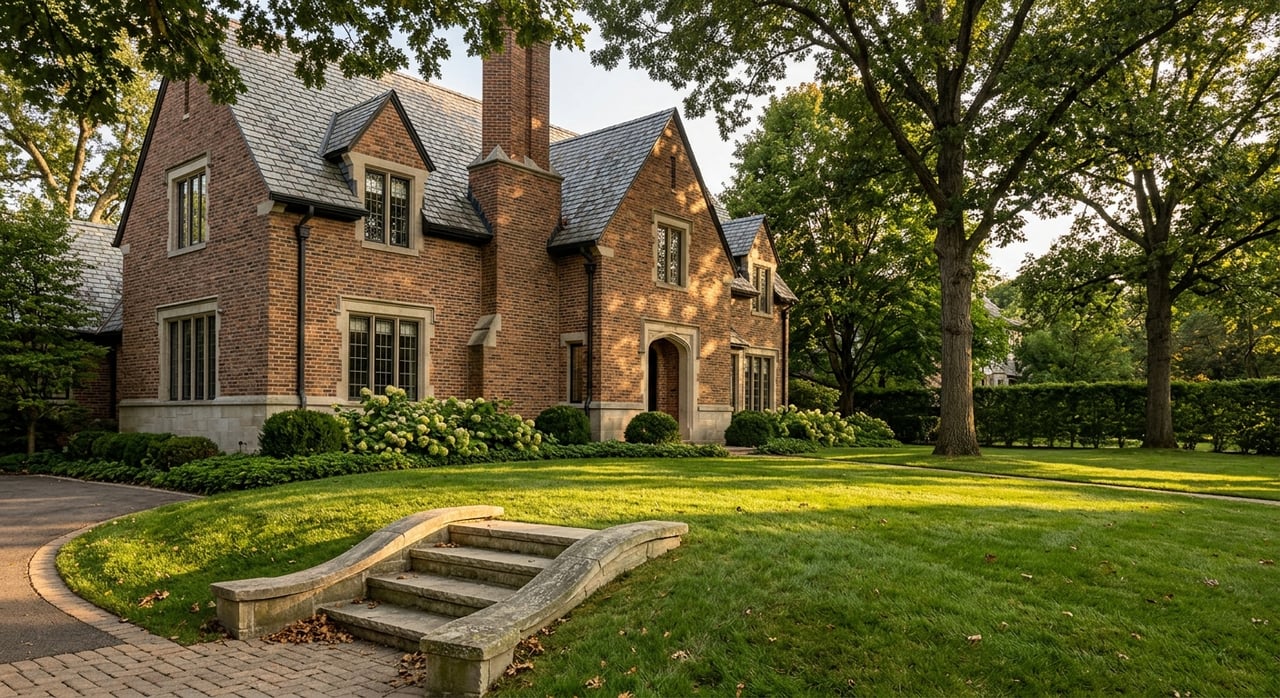
What makes one Lake Forest home command a stronger price than another that looks similar on paper? In this market, the answer often starts outside the walls. If you are buying, selling, or simply tracking your home's value, understanding how lot size and setting work together can help you make smarter decisions. Let’s take a closer look.
In Lake Forest, buyers often compare more than bedrooms, baths, and interior square footage. Appraisal guidance used in residential lending considers neighborhood characteristics such as typical site size, street patterns, lot size, view, and location within the neighborhood. That matters in a city where lakefront bluffs, inland streets, ravine settings, and walkable in-town locations all exist within one market.
A larger lot can add value, but size alone does not tell the full story. Two homes with similar layouts may perform very differently if one parcel feels more private, offers a better view, or has a more usable yard. In Lake Forest, land quality can matter just as much as land quantity.
Lake Forest is a high-value, low-density community with a 2020 to 2024 median owner-occupied home value of $938,300, according to the U.S. Census Bureau. The city has a population of 19,642 across 17.20 square miles and sits about 30 miles north of downtown Chicago along Lake Michigan. Those basics help frame why location inside the city can shape value so clearly.
This is not a uniform housing market. The eastern edge includes more than 3 miles of Lake Michigan shoreline, bluff-top homes, and access to lake-oriented scenery and open space. Just blocks away, you may find smaller-lot neighborhoods with a very different feel and buyer profile.
City materials also describe Lake Forest as nearly built out, with continued demand for housing in the core. That limited supply, combined with different lot types and settings, helps create several submarkets within the same city. For buyers and sellers, that means the right comparison is usually not just another home in Lake Forest, but another home in the same type of Lake Forest setting.
A lot does not exist in a vacuum. In Lake Forest, city planning materials reference R-1 lots around 9,375 square feet, R-2 lots at 20,000 square feet, and R-3 lots at 40,000 square feet. In practical terms, that means buyers and appraisers tend to judge a lot against the surrounding block pattern and zoning context, not against a citywide average.
That is why a 10,000-square-foot lot may feel appropriate and competitive in one part of town, while a much larger parcel may be expected in another. Context drives value. A lot that fits naturally within its immediate surroundings often has stronger market support than one that is simply bigger on paper.
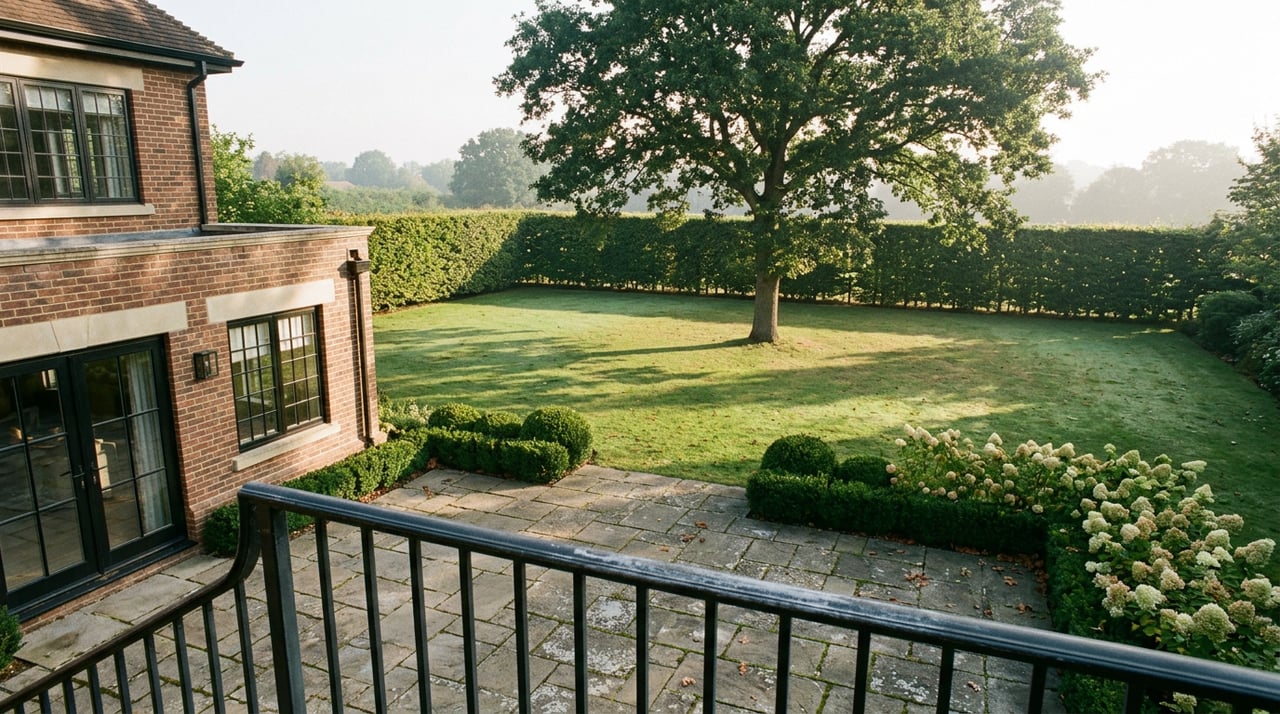
When buyers pay attention to lot size, they are usually thinking about how the land lives. They may be looking for a private backyard, room for outdoor entertaining, open lawn, mature landscaping, or space between neighboring homes. A larger parcel tends to matter most when that space is functional and easy to enjoy.
This is especially important in Lake Forest, where some parcels offer a grand setting but less usable yard due to topography, tree coverage, or protected areas. A site can still be highly desirable, but the value discussion becomes more nuanced. In many cases, the question is not "How big is the lot?" but "How does the lot feel and function?"
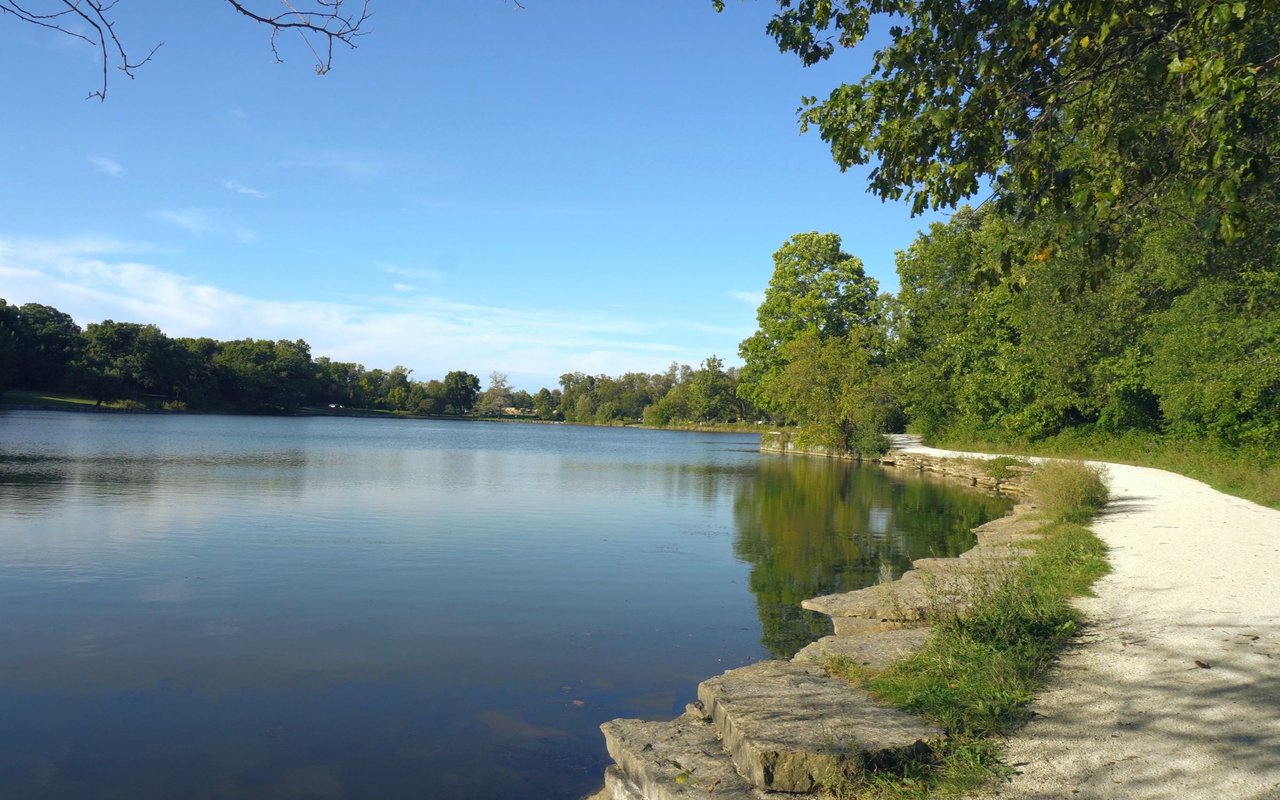
Research cited in the report found that home prices tend to rise with closer proximity to parks, trails, lakes, and streams, with lakes showing the strongest effect among those distance measures. In Lake Forest, that pattern makes intuitive sense. The city offers Lake Michigan frontage, bluff settings, a public beach, and open-space amenities that shape how buyers perceive location.
For some buyers, being closer to the lake is a major value driver. That does not mean every lake-area property commands the same premium, but it does mean the surrounding setting can strongly influence demand. View corridors, access, and overall site character often play a role.
Some of Lake Forest's most memorable homes sit along bluffs or near ravines. These locations can offer privacy, dramatic topography, and a one-of-a-kind setting that is difficult to replicate elsewhere in the market. That distinctiveness can support value when buyers are looking for something truly special.
At the same time, these sites may come with practical limitations. Lake Forest's construction standards include steep-slope protections aimed at reducing ravine and bluff erosion, and they generally prohibit clearing or grading within 20 feet of a ravine edge or 50 feet of a bluff edge. So while these homes may command attention for their setting, buildability and yard use should be part of the value conversation.
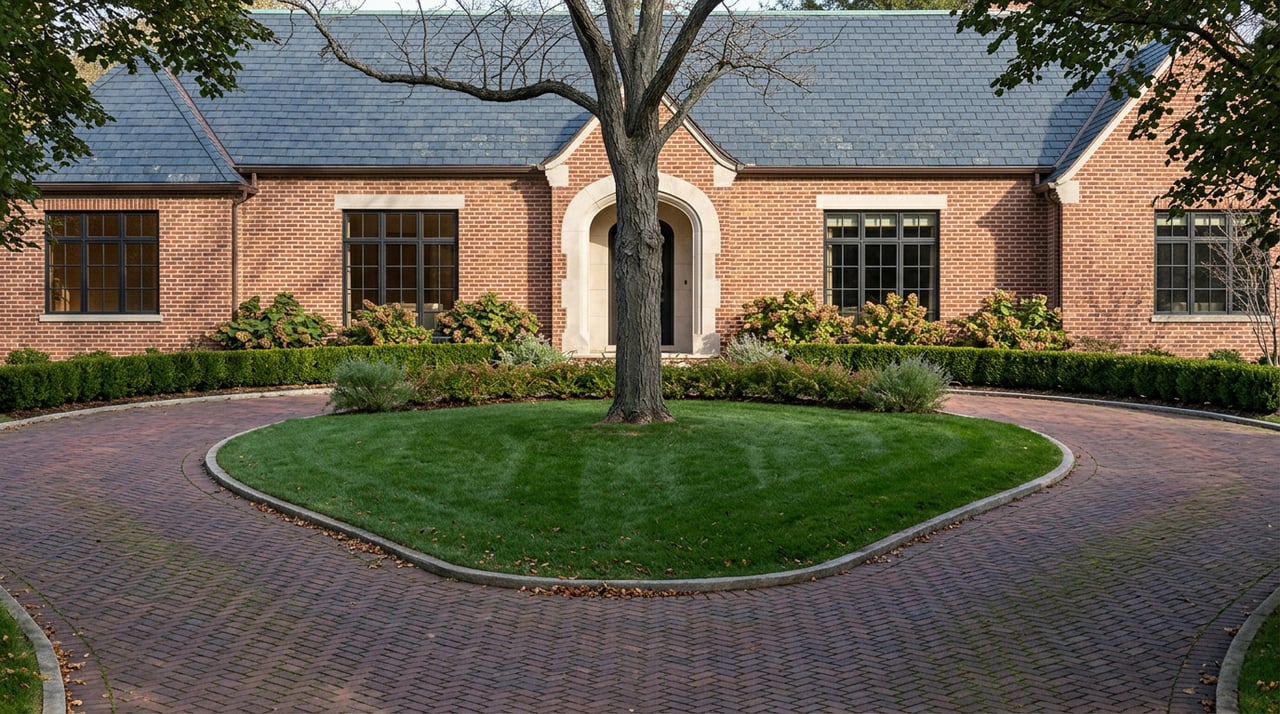
Lake Forest places clear value on tree preservation. The city has been recognized as Tree City USA for 44 consecutive years, and local preservation materials note that mature trees and vegetation can reduce the apparent mass of a structure. In simple terms, trees are part of how a property fits its environment.
National research supports that local emphasis. Studies cited in the report found positive associations between tree cover and home values, including value benefits from tree cover close to a home. In Lake Forest, mature landscaping often contributes to privacy, curb appeal, and a more established streetscape, all of which can strengthen buyer interest.
Lake Forest's central business district includes Market Square, the commuter train station, City Hall, the Post Office, shops, and restaurants. City materials also note major investment in Market Square repairs and upgrades, along with restoration of the station. Homes near the core may appeal to buyers who value convenience and a more walkable daily routine.
New housing in and near the core is described as walkable to the train, library, parks, restaurants, and Forest Beach. For some buyers, that access can offset a smaller lot size. A compact parcel in a highly convenient location may compete very well against a larger lot farther from those amenities.
City materials describe West Lake Forest as largely developed in the 1990s with single-family homes, yards, tree-lined streets, and open space. The west side also includes a second Metra-served business district with everyday services. That gives buyers another version of convenience, paired with a different neighborhood layout and lot pattern.
For some households, this setting may feel more spacious or more practical for everyday living. For others, the draw may still be the lake side or the historic in-town area. The key point is that buyer priorities are not identical, so value premiums can shift depending on which segment of the market is most active.
If you are trying to understand value in Lake Forest, it helps to look at lot size and setting together. Here are the main factors worth paying attention to:
A strong parcel often combines several of these advantages at once. It may not be the largest lot available, but it feels complete, well-situated, and hard to duplicate.
In a market like Lake Forest, pricing cannot rely on square footage alone. Two homes may have similar interior stats and still deserve meaningfully different pricing because one sits on a more desirable site. That is especially true when comparing lake-influenced locations, in-town addresses, and larger inland parcels.
This is where hyper-local analysis matters. A thoughtful valuation should account for the lot's size, usability, setting, and fit within its immediate micro-market. Sellers who understand that nuance are better positioned to price confidently, and buyers who recognize it are better equipped to judge long-term value.
For most Lake Forest properties, the headline takeaway is simple: acreage alone does not define value. The lots that tend to stand out are the ones that pair enough land for privacy and function with a setting that feels memorable, whether that means mature trees, lake proximity, open space, or walkable convenience.
If you want a clear read on how your lot, setting, and location may influence market value, Ann Lyon, LFC Partners can help you evaluate your property with the local context and pricing discipline this market demands.
More on real estate insights.
October 22, 2026
October 15, 2026
October 8, 2026
October 1, 2026
September 24, 2026
September 17, 2026
September 10, 2026
September 3, 2026
August 27, 2026
At LFC Partners, real estate is more than a transaction—it’s a collaboration rooted in expertise and trust. With decades of combined experience in architecture, finance, and strategic negotiation, Ann, Jeff, and Kim bring a refined, data-driven approach to every client relationship. Whether you’re buying, selling, or investing along the North Shore, you can count on their deep market knowledge, analytical precision, and unwavering commitment to results.
LFC Partners Real Estate
(847) 828-9991
[email protected]
Ann Lyon
(847) 828-9991
[email protected]
Jeff Folker
(847) 504-6182
[email protected]
Kim Campbell
(312) 434-9372
[email protected]
600 N Western Ave Lake Forest IL 60045